
If you're buying a home in Yucaipa, California, one decision can have a much bigger impact on your day to day ownership experience than buyers sometimes realize:
Do you want to live in an HOA community or would you rather buy a home with no HOA?
Yucaipa gives buyers both options.
You can look at a large planned community such as Chapman Heights, where the homeowners association maintains common areas and provides community amenities, or you can look at established neighborhoods and individual properties elsewhere in Yucaipa where an HOA may not be part of the equation.
Neither option is automatically better.
And I don't think buyers should make the decision based on one question:
“How much are the HOA dues?”
The better questions are:
What am I getting for those dues?
What restrictions come with the HOA?
How do I actually want to use my property?
And what is the total cost of owning the home, not just the mortgage payment?
I've worked with buyers and sellers throughout Yucaipa and the Inland Empire for more than two decades, and here's what I think buyers should understand before choosing between an HOA and no HOA home in Yucaipa.
What Is an HOA?
An HOA, or homeowners association, is an organization that governs a residential community according to its recorded governing documents.
When you purchase a property subject to an HOA, you're generally agreeing to follow the association's rules and pay required assessments.
Depending on the community, the HOA may be responsible for things such as:
- Common area landscaping
- Trails
- Parks or recreational areas
- Private amenities
- Community appearance standards
- Common area maintenance
- Certain security or patrol services
- Architectural review
But every HOA is different.
That's one of the most important things to understand.
Don't assume what an HOA covers because you lived in another HOA community before.
Read the documents for the community you're actually buying into.
Chapman Heights Is Yucaipa's Most Obvious HOA Example
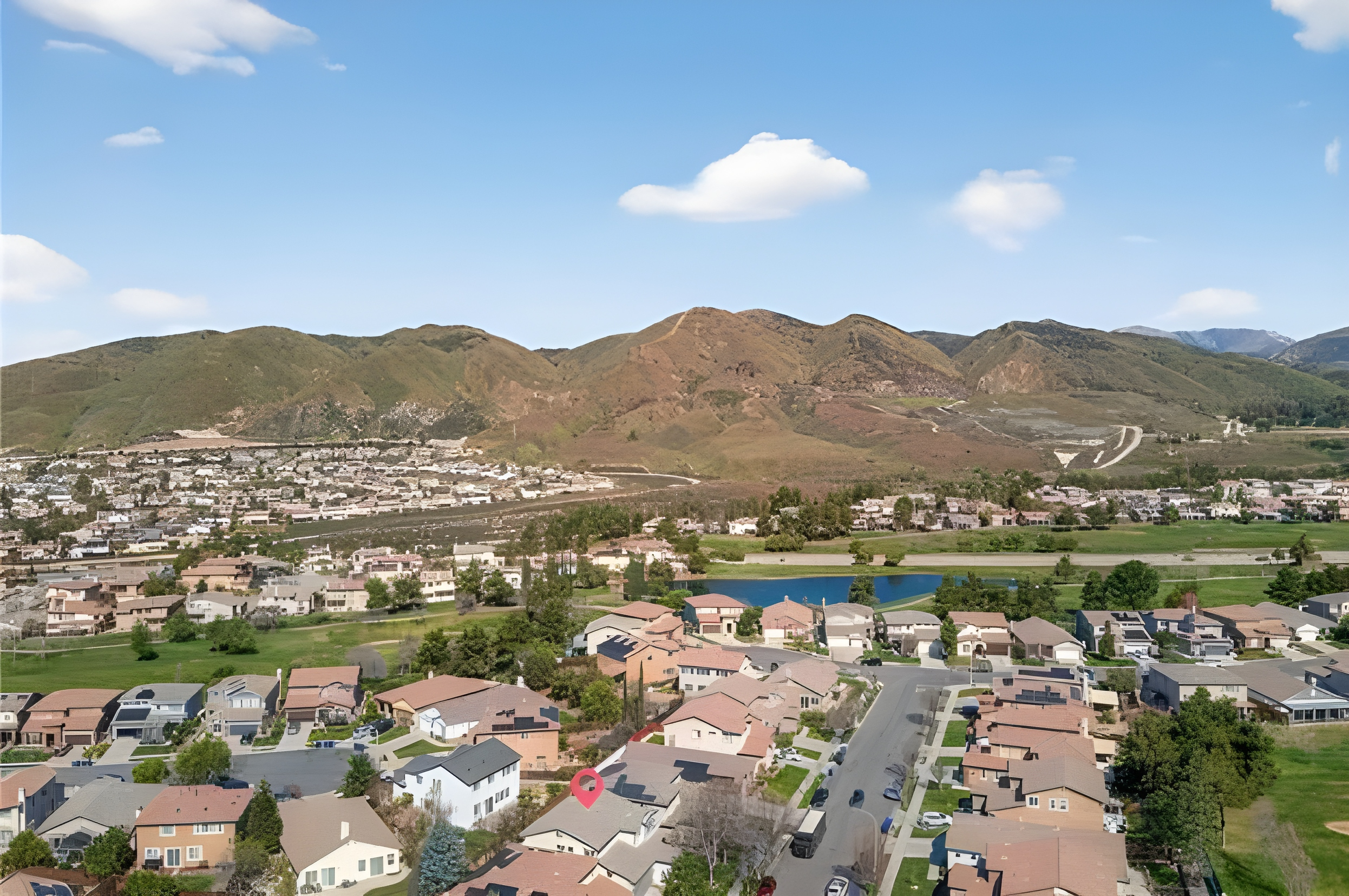
When buyers ask me about HOA communities in Yucaipa, Chapman Heights is an easy example.
The community covers more than 1,000 acres and contains 1,977 homes. According to the Chapman Heights Community Association, it also includes more than 255 acres of preserved open space, approximately 2,900 trees and more than two miles of maintained walking trails.
The association lists amenities and services including a dog park, tot lot, splash pad, walking trails, common area landscaping, nightly patrols, onsite staff and common area pest control.
That's a good illustration of why I don't like reducing the HOA conversation to:
“I don't want to pay an extra monthly fee.”
The better question is whether you value what you're paying for.
Someone who regularly uses the trails, likes maintained common areas and wants the appearance standards of a planned community may view those dues very differently from someone who wants maximum freedom over their individual property.
What Are the Advantages of Buying a Home With an HOA?
There are several reasons buyers intentionally choose HOA communities.
Maintained Common Areas
This is probably the most obvious benefit.
In a community like Chapman Heights, the association maintains substantial common area infrastructure and landscaping.
You aren't individually responsible for maintaining the neighborhood trail system or landscaping every shared area.
Your assessments help fund those responsibilities.
Community Appearance
HOAs typically establish rules designed to maintain certain standards throughout the neighborhood.
Some buyers really value that.
They like knowing there are guidelines regarding exterior modifications, landscaping, parking and other visible aspects of neighboring properties.
Other buyers hear that description and immediately think:
“Absolutely not.”
That's why this is a lifestyle decision as much as a financial one.
Amenities
An HOA can provide amenities that would be expensive or impossible for an individual homeowner to recreate.
Chapman Heights, for example, identifies walking trails, a splash pad, dog park and tot lot among its community amenities.
But don't assume every HOA has a clubhouse and swimming pool.
Verify what's actually included.
Architectural Standards
If you care about consistency in the appearance of neighboring homes, architectural review can be a positive.
The tradeoff is obvious:
Those same rules apply to you.
What Are the Disadvantages of an HOA?
This is where buyers need to be realistic about how they live.
You Pay HOA Dues
The HOA payment becomes another ongoing housing expense.
And buyers shouldn't assume today's dues will remain unchanged forever.
Associations have operating expenses, reserves, maintenance obligations and future projects.
When I'm comparing two homes, I want the HOA payment included in the ownership calculation from the beginning.
There Are Rules
This sounds obvious, but it's surprisingly easy to overlook when you're focused on the house.
An HOA may regulate or require approval for things such as:
- Exterior paint
- Landscaping changes
- Fences
- Certain additions
- Parking
- RVs
- Boats
- Signs
- Exterior modifications
The exact rules depend on the association.
That's why the governing documents matter.
If you own an RV, boat, work vehicle or you're already imagining major changes to the property, investigate the rules before buying the house.
Architectural Approval Can Matter
You may own the home, but that doesn't necessarily mean you can make every exterior change without association approval.
If you're buying a property because you have plans for it, make sure those plans are compatible with the governing documents.
Special Assessments Are Possible
Regular dues aren't necessarily the only HOA expense a homeowner can encounter.
Depending on an association's finances and obligations, special assessments may become necessary.
That's one reason buyers should review more than the rules.
I want to understand the association's financial condition too.
What Should You Review Before Buying Into an HOA?
This is one of the most important sections of this entire article.
Don't simply ask:
“How much is the HOA?”
Review the actual HOA package provided during the transaction.
Depending on what's applicable, I want buyers paying attention to:
- CC&Rs
- Bylaws
- Rules and regulations
- Current assessments
- Budget
- Reserve information
- Recent meeting information
- Insurance information
- Architectural guidelines
- Pending or approved special assessments
- Notices regarding significant association issues
You don't have to become an HOA attorney overnight.
But you should understand the community you're agreeing to join.
HOA Dues and Mello Roos Are Not the Same Thing
This is especially important in Yucaipa because Chapman Heights gives us a perfect example.
The City of Yucaipa formed Community Facilities District No. 98 1 for Chapman Heights in 1998. The district was created to finance infrastructure including streets, utilities, parks, landscaping, water and sewer improvements, and drainage facilities. Special taxes associated with the district were used to repay bonds issued for those improvements.
That's separate from the homeowners association.
So when you're evaluating a property, don't lump every additional expense into a vague category called "HOA."
A property could involve:
HOA assessments
and
property specific taxes or special assessments.
Those are different things.
I want buyers to understand each one separately.
What Does No HOA Actually Mean?
This sounds simple:
No HOA means no homeowners association.
But buyers sometimes translate that into:
“I can do whatever I want with my property.”
That's not necessarily true.
Your property can still be subject to:
- City zoning
- Building codes
- Permit requirements
- Easements
- Recorded restrictions
- State law
- Other property specific limitations
The City of Yucaipa's Planning Division administers land use and development requirements, while Building & Safety handles permitting and inspections for applicable construction work.
So no HOA does not mean no rules.
It generally means you don't have an additional homeowners association governing the property.
That's an important distinction.
Why Some Yucaipa Buyers Prefer No HOA
There are several reasons buyers specifically ask me for no HOA homes.
No Monthly HOA Assessment
This is the obvious one.
If there's no HOA, you're not paying that recurring association assessment.
That can make a meaningful difference in a buyer's monthly housing budget.
More Property Autonomy
For some buyers, this is more important than the money.
They don't want an association approving exterior changes.
They don't want community parking restrictions beyond normal governmental requirements.
They don't want another layer of rules.
This can be particularly important to buyers looking for larger lots, RV parking, workshops, additional vehicles or properties they plan to modify.
But again:
No HOA does not override zoning, permits or recorded property restrictions.
You May Not Care About Community Amenities
If you aren't going to use a community trail, splash pad, dog park or other association amenity, paying for those benefits may not appeal to you.
Someone else may use them constantly.
That's why there's no universally correct answer.
The Tradeoff With No HOA
Freedom works both ways.
If you value fewer association restrictions on your property, remember that your neighbors may value that freedom too.
An HOA can establish neighborhood wide appearance and use standards.
Without one, you don't have that same association enforcing a common set of private community rules.
Some buyers are perfectly comfortable with that.
Others prefer more consistency.
Know which person you are before you buy.
HOA vs No HOA for RV Owners
This is a big one in Yucaipa.
Yucaipa attracts buyers who want more space, and RV ownership is common enough that I would absolutely address it before purchasing.
If you're buying in an HOA community, don't assume that because an RV physically fits on the property you're allowed to store it there.
Read the rules.
Look at parking restrictions.
Look at screening requirements.
Look at architectural requirements.
And if you're buying a no HOA property, don't automatically assume you're clear either.
Verify applicable City requirements and any recorded property restrictions.
“It fits” and “it's permitted” are two different questions.
What If You Want a Pool, ADU or Major Remodel?
Same principle.
If you're buying because you're already imagining a pool, ADU, addition, detached garage or substantial exterior remodel, investigate feasibility before treating that future improvement as guaranteed.
In an HOA, you may have association requirements in addition to governmental permitting.
Without an HOA, City and other applicable requirements still remain.
The City of Yucaipa currently operates its Permit Exchange for permit applications, inspections, payments and project tracking, and the Planning Division provides zoning and development information.
This is an area where five minutes of assumptions can turn into a very expensive mistake.
HOA vs No HOA Isn't Really About Money
This is probably the biggest point I want buyers to take from this article.
Yes, HOA dues matter.
But this isn't simply:
HOA = expensive
and
No HOA = cheap.
Imagine two Yucaipa homes.
Home A costs a little less but has an HOA and additional property specific assessments.
Home B costs slightly more with no HOA but has a larger yard, pool and landscaping that require more maintenance.
Which costs more to own?
You can't answer that from the asking prices.
You need the whole picture.
Compare the True Monthly Cost
When I'm helping someone compare homes, I'd rather see a realistic monthly ownership picture.
That can include:
- Mortgage principal and interest
- Property taxes
- HOA assessments
- Applicable special taxes or assessments
- Homeowners insurance
- Utilities
- Landscaping
- Pool maintenance
- Solar obligations where applicable
- Expected property maintenance
That's a much better comparison than:
House A is $10,000 cheaper than House B.
The purchase price is only one number.
Does an HOA Increase Home Value?
I wouldn't make a blanket statement that HOA homes are worth more or less.
Value depends on the property, community, market, amenities, condition, location and what buyers are willing to pay.
A well maintained HOA community with amenities may appeal strongly to one buyer pool.
A larger no HOA property with RV access may appeal strongly to another.
The relevant question isn't:
“Do HOAs increase value?”
It's:
“How does the market value this particular property compared with the homes buyers realistically consider alternatives?”
That's where comparable sales matter.
Chapman Heights vs No HOA Areas in Yucaipa
This is where our neighborhood guides become useful.
Chapman Heights gives buyers a large planned community with an established association, maintained common areas, trails and amenities.
Elsewhere in Yucaipa, buyers can find properties marketed without an HOA, including in areas we've covered in our neighborhood guides.
But I don't want anyone reading this article and assuming an entire neighborhood has identical obligations forever.
Verify the specific address.
Associations, subdivisions, recorded restrictions and property characteristics can vary.
That property level verification is more important than anything a neighborhood article can tell you.
HOA vs No HOA in Chapman Heights, North Bench, Hidden Meadows and Whisper Ranch
This is where Yucaipa becomes particularly interesting for buyers.
You can tour a planned community such as Chapman Heights and then drive North Bench, Hidden Meadows or Whisper Ranch and experience a completely different residential environment.
That gives you an opportunity to figure out what you actually value.
Maybe you love the landscaping and common areas of Chapman Heights.
Maybe you walk through a larger property elsewhere and realize you'd rather put that money toward your own yard.
Maybe you initially insist on no HOA and then discover you really like the appearance and amenities of a particular HOA community.
That's why I encourage buyers to experience both before ruling either one out.
Questions I Would Ask Before Buying a Yucaipa HOA Home
Before making the decision, I'd want answers to questions like:
How much are the current assessments?
What do they cover?
What amenities will I actually use?
Are there restrictions that conflict with how I want to use the property?
What's the association's financial condition?
Are there special assessments I need to understand?
What exterior modifications require approval?
What are the parking and RV rules?
Are there additional property specific taxes or assessments separate from the HOA?
And finally:
Would I still want this house after reading the HOA documents?
That's the question that matters.
Frequently Asked Questions About HOAs in Yucaipa
Does Yucaipa Have HOA Communities?
Yes. Yucaipa includes HOA governed residential developments as well as homes without an HOA. Chapman Heights is one prominent example of an HOA community in Yucaipa, with 1,977 homes and extensive common areas and amenities.
Does Chapman Heights Have an HOA?
Yes. Chapman Heights is governed by the Chapman Heights Community Association, which maintains common areas and provides amenities and services within the planned community.
Is Mello Roos the Same as an HOA Fee?
No. HOA assessments and Mello Roos special taxes are different obligations. In Chapman Heights, for example, the City formed CFD 98 1 to finance public infrastructure, while the Chapman Heights Community Association separately governs the residential community.
Can I Find No HOA Homes in Yucaipa?
Yes. Buyers can find properties in Yucaipa that are not subject to a homeowners association. However, HOA status should always be verified for the individual property rather than assumed from the neighborhood name.
Does No HOA Mean I Can Do Whatever I Want With My Property?
No. A property without an HOA can still be subject to City zoning and building requirements, permits, easements, recorded restrictions and state law. The City of Yucaipa maintains separate Planning and Building & Safety functions for land use and construction requirements.
Should I Avoid Homes With an HOA?
Not automatically.
The better question is whether the association's costs, amenities and restrictions fit what you want from the property.
Some buyers actively prefer HOA communities.
Others specifically want no HOA.
Neither preference is inherently right or wrong.
What HOA Documents Should I Review Before Buying?
Buyers should carefully review the governing documents and financial information provided during the transaction, including applicable CC&Rs, rules, assessments, budgets, reserve information, architectural requirements and notices of significant association issues.
If you have legal questions about what those documents mean, that's where I'd recommend getting advice from the appropriate qualified professional rather than guessing.
Should You Buy a Yucaipa Home With an HOA or No HOA?
Here's how I'd make the decision.
Don't start with:
“I refuse to pay an HOA.”
And don't start with:
“I only want an HOA neighborhood.”
Start with the lifestyle you want.
Do you want common amenities?
Do you value neighborhood appearance standards?
Do you want an RV at home?
Are you planning major exterior changes?
Do you want a larger property?
How much maintenance do you want?
How important is architectural consistency?
Then compare the actual homes.
Yucaipa gives buyers very different choices.
That's one of the things I like about this market.
You can tour Chapman Heights, drive North Bench, explore Hidden Meadows or Whisper Ranch and see dramatically different versions of residential Yucaipa without leaving the city.
Choose the house and ownership structure that fit the way you actually want to live.
If you're considering buying or selling a home in Yucaipa, California, I'd be happy to help you compare neighborhoods, properties, HOA considerations and the local market before you make a decision.
Nick Ondatje | Mainstreet Realtors
CA DRE 01401990
909 437 0132
Check out this article next