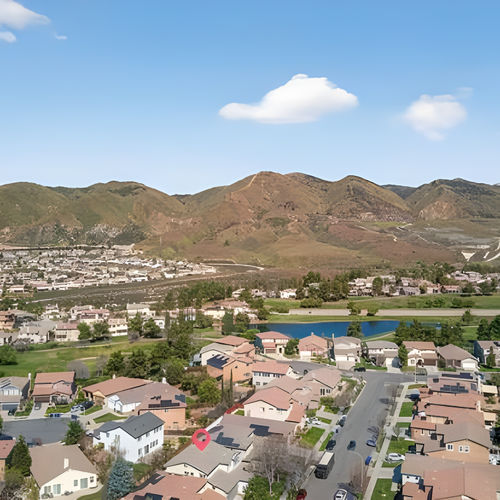

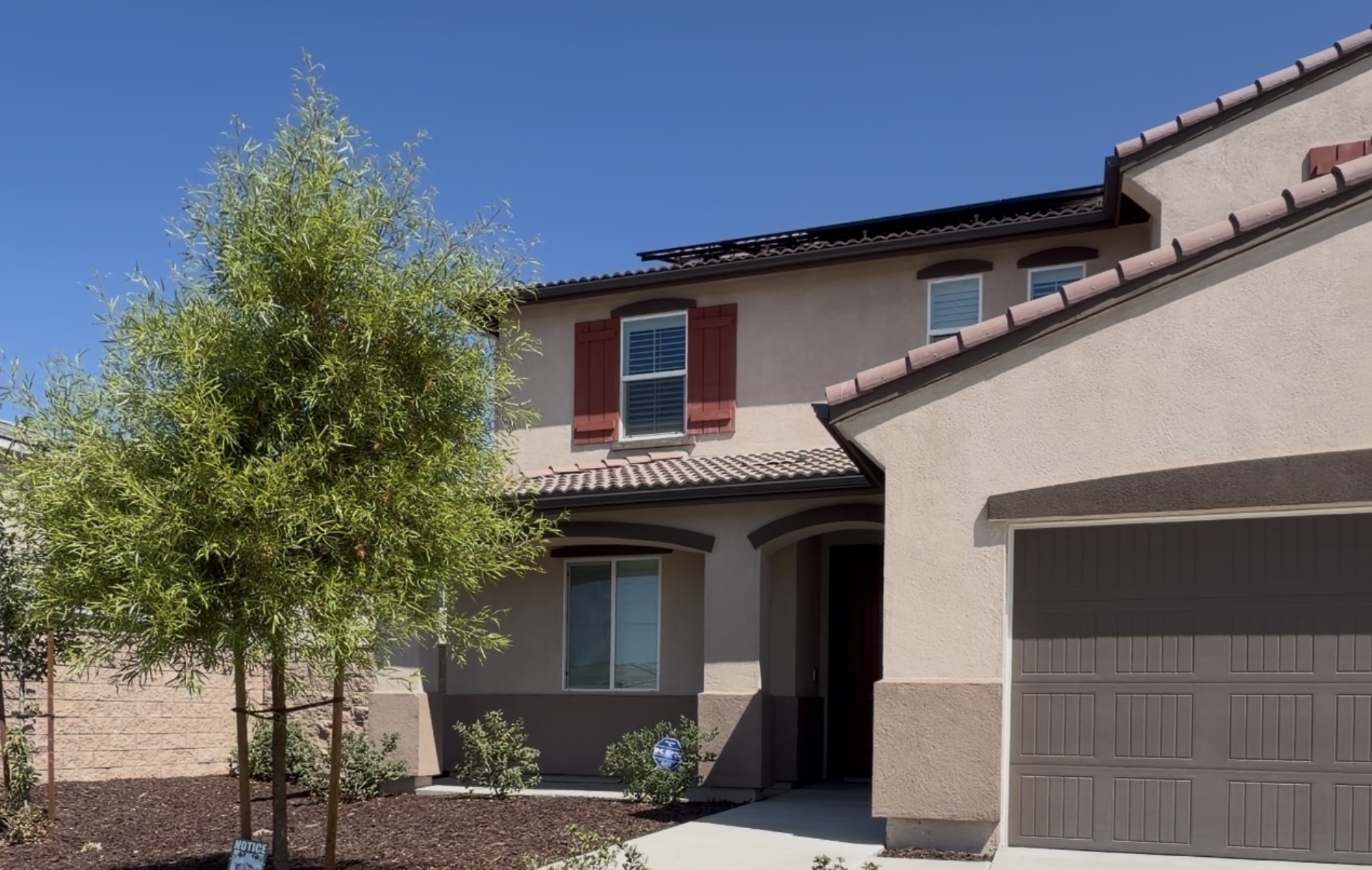
If you're thinking about buying a home in Yucaipa, California, the asking price is only the beginning.
A home might be listed for $600,000, $700,000 or $800,000, but that doesn't tell you how much cash you'll actually need to purchase it or what it will cost to own every month.
You also need to consider:
Down payment.
Closing costs.
Property taxes.
Homeowners insurance.
HOA dues.
Special assessments.
Inspections.
Utilities.
And the ongoing cost of maintaining the type of property you're buying.
That last one can be especially important in Yucaipa because the housing varies so much from one part of the city to another.
A home in Chapman Heights can have completely different expenses from a larger property in North Bench.
A home near Whisper Ranch or Wildwood Canyon may present different insurance considerations than a property in another part of town.
And a newer home with solar may have a very different ownership profile from an older home with a pool and a large landscaped lot.
So if you're trying to figure out how much it costs to buy a home in Yucaipa, CA, here's what I would actually budget for.
How Much Do Homes Cost in Yucaipa?
Home prices in Yucaipa change constantly, and the type of property you're buying matters just as much as the citywide median.
That's why I wouldn't recommend deciding what you can afford based solely on an online median home price.
Yucaipa has everything from condos and smaller established homes to newer construction, planned communities, larger lots, foothill properties and homes with acreage.
Two properties at similar prices can also have very different monthly ownership costs.
Instead of asking only:
“What's the average home price in Yucaipa?”
I think buyers should ask:
“What does my budget realistically buy in the parts of Yucaipa I actually want to live in?”
That's a much more useful question.
Start With Your Down Payment
Your down payment is generally the largest upfront expense.
And despite what some buyers believe, you don't necessarily need 20% down to buy a home.
California's Department of Real Estate notes that buyers may encounter down payments ranging from approximately 5% to 20%, depending on their circumstances and financing. Some loan programs may permit different down payment structures.
Let's use a hypothetical $650,000 Yucaipa home.
A 5% down payment would be:
$32,500
A 10% down payment would be:
$65,000
A 20% down payment would be:
$130,000
Those examples aren't recommendations.
They're simply a good illustration of how dramatically your initial cash requirement can change based on financing.
And your down payment affects more than the amount you bring to closing.
It can affect your loan amount, monthly payment and potentially mortgage insurance.
What About PMI?
If you're using conventional financing with less than 20% down, private mortgage insurance may be part of your payment.
California's Department of Real Estate notes that conventional loans generally require PMI below certain equity thresholds, although exact costs and requirements vary based on the loan, down payment and borrower.
This is why I don't like comparing mortgage payments using an online calculator without entering the actual financing assumptions.
A $650,000 home isn't automatically a $650,000 home from a monthly payment perspective.
How you finance it matters.
How Much Are Closing Costs When Buying in Yucaipa?
Your down payment isn't the only cash you'll need.
There are also closing costs.
California's Department of Real Estate advises buyers that they may need approximately 3% to 7% of the purchase price for closing costs, although the actual amount varies considerably by transaction.
Those costs can include items associated with the loan and transaction such as:
- Loan fees
- Appraisal
- Escrow charges
- Title related costs
- Recording fees
- Prepaid insurance
- Prepaid taxes
- Other lender or transaction specific expenses
But don't simply take 3% or 7% and assume that's exactly what you'll pay.
Your lender's Loan Estimate is much more useful because it shows estimated loan terms and closing costs for your specific financing. Before closing, you'll also receive a Closing Disclosure detailing the transaction's actual costs.
How Much Cash Do You Actually Need to Buy a Yucaipa Home?
This is where buyers sometimes get tripped up.
If you have $50,000 saved, that doesn't necessarily mean you should put all $50,000 toward the down payment.
You may also need money for:
Closing costs
Inspections
Moving
Immediate repairs
Furniture or appliances
Emergency reserves
And potentially other expenses specific to the property.
I'd rather see a buyer purchase a home with a realistic financial cushion than technically complete the transaction and have almost nothing left afterward.
How Do Property Taxes Work in Yucaipa?
This is a big one.
Don't look at the seller's current property tax bill and assume that's approximately what you'll pay.
Under California's Proposition 13 system, a change in ownership generally establishes a new base year value based on the property's value at the time of purchase. The basic statewide property tax rate is 1%, plus applicable voter approved indebtedness. Special assessments and direct levies can also appear on the property tax bill.
That means a longtime Yucaipa homeowner may be paying taxes based on an assessed value dramatically below what you're paying for the property today.
So when evaluating a home, I want buyers looking at the estimated taxes after their purchase, not simply the seller's existing bill.
Don't Forget the Supplemental Property Tax Bill
This one surprises California buyers all the time.
After a change in ownership, you may receive a supplemental property tax bill reflecting the difference between the property's prior assessed value and its new assessed value.
The California Department of Real Estate specifically warns buyers about supplemental tax bills resulting from Proposition 13 reassessments.
That bill is separate from the regular annual property tax bill.
So don't spend every remaining dollar after closing assuming your property taxes are completely handled through your mortgage impound account.
HOA Costs in Yucaipa
As we covered in our Yucaipa HOA vs No HOA guide, buyers can find both HOA and no HOA properties in Yucaipa.
A planned community such as Chapman Heights can involve HOA assessments in exchange for community maintenance, amenities and other association responsibilities.
Other properties may not have an HOA at all.
But here's the important part:
No HOA does not automatically mean lower total ownership costs.
Imagine you're comparing two homes.
One has an HOA but relatively modest private landscaping.
The other has no HOA but sits on a large lot with extensive landscaping and a pool.
The second house could easily cost more to maintain.
Compare the entire ownership picture rather than one line item.
HOA and Special Assessments Are Different
Buyers should also distinguish HOA dues from special taxes or assessments appearing on the property tax bill.
They aren't necessarily the same thing.
California's Board of Equalization explains that special assessments or direct levy charges may appear in addition to a property's ad valorem taxes.
That's why I want to see the actual property tax information for the house we're considering.
Don't assume because two homes are both priced at $700,000 that their tax bills and other assessments will be identical.
Homeowners Insurance Can Vary Across Yucaipa
Insurance should be investigated before you're deep into the transaction.
This is particularly important in a foothill community like Yucaipa.
The City's public safety planning documents identify substantial portions of Yucaipa within fire hazard areas, while CAL FIRE's updated Fire Hazard Severity Zone system evaluates physical factors including vegetation, topography, climate, ember exposure and fire history.
But don't make the opposite mistake and assume every Yucaipa home has the same insurance situation.
They don't.
The California Department of Forestry and Fire Protection specifically distinguishes hazard from individual property risk, and buyers can use its mapping tools to investigate a property's location.
My recommendation is simple:
Get an insurance quote for the actual address you're considering.
Not the ZIP code.
Not your friend's house across town.
The actual property.
Why Yucaipa Foothill Homes Require Extra Attention
Part of Yucaipa's appeal is its geography.
You have neighborhoods closer to the foothills, mountain views, open space, larger lots and properties that feel very different from conventional Southern California subdivisions.
But those characteristics can introduce additional considerations.
If I'm helping someone evaluate a foothill property, I want to understand things such as:
- Insurance availability and cost
- Fire hazard disclosures
- Defensible space considerations
- Lot slope
- Drainage
- Retaining walls
- Access
- Landscaping
- Trees and vegetation
- Property specific maintenance
This will be a major focus of our dedicated Yucaipa foothill home buying guide as well.
How Much Do Home Inspections Cost?
Inspections are another upfront expense buyers should budget for.
The exact inspections needed depend on the property.
A buyer may consider a general home inspection and, depending on the home and findings, additional evaluations involving areas such as:
- Roof
- HVAC
- Plumbing
- Electrical
- Sewer or septic
- Pool and spa
- Chimney
- Foundation
- Pest or wood destroying organisms
- Solar
- Other property specific systems
I wouldn't give buyers one universal inspection budget because a 1,500 square foot newer home and a large older foothill property with a pool are completely different.
The important thing is to budget for due diligence before you fall in love with the house.
Skipping an appropriate inspection to save a few hundred dollars can become an extremely expensive decision later.
What About the Appraisal?
If you're financing the purchase, an appraisal may also be required by your lender.
An appraisal isn't the same thing as a home inspection.
The appraiser is primarily helping the lender evaluate the property's value and related lending considerations.
The home inspector is helping you understand the property's physical condition.
Don't confuse the two.
A home can appraise and still have repair issues you need to understand.
Solar Can Change the Cost Equation
Solar is common enough in Southern California that this deserves its own section.
When you see solar panels on a Yucaipa home, don't simply think:
“Great, lower electric bill.”
First determine:
Is the solar owned?
Is it financed?
Is it leased?
Is there a power purchase agreement?
Are there obligations that need to be transferred?
How old is the system?
What does its production history look like?
Seller owned solar and a solar agreement with ongoing financial obligations are not the same thing.
Understand exactly what you're inheriting before calculating your future utility costs.
Pools Are Great Until You Forget They Cost Money
Yucaipa has plenty of homes with pools.
And during a hot Inland Empire summer, it's easy to fall in love with one.
Just remember that you're buying the maintenance too.
Pool ownership can involve:
- Cleaning
- Chemicals
- Electricity
- Equipment maintenance
- Heating if applicable
- Repairs
- Water
The same applies to spas, outdoor kitchens and elaborate landscaping.
Features add lifestyle value.
They can also add ownership costs.
Larger Lots Can Cost More to Maintain
This comes up frequently when buyers compare neighborhoods like North Bench, Hidden Meadows or Whisper Ranch with more conventional subdivisions.
The larger property may give you exactly what you want:
More privacy.
RV parking.
A bigger backyard.
Room for a garden.
More distance from neighbors.
But that land needs to be maintained.
Think about:
Water
Landscaping
Tree maintenance
Fencing
Irrigation
Weed and vegetation management
Drainage
A larger lot isn't automatically better.
It's better if you actually want what comes with owning it.
Newer Home vs Older Home Costs
Newer construction can reduce certain immediate maintenance concerns, but that doesn't automatically make it cheaper.
A newer Yucaipa home might have:
- HOA dues
- Special assessments
- Smaller lots
- Solar obligations
- Higher purchase price
An older home might have:
- No HOA
- Lower purchase price
- Larger lot
- Older roof
- Older HVAC
- Aging plumbing or electrical components
Again, there is no universal winner.
This is why I want buyers comparing specific properties rather than stereotypes.
What Do Utilities Cost in Yucaipa?
Utilities are another category where I don't recommend publishing one generic monthly number.
Your actual cost can vary substantially based on:
- Home size
- Number of occupants
- HVAC efficiency
- Pool
- Solar
- Landscaping
- Irrigation
- Appliances
- Personal usage
A large house with a pool and extensive landscaping can have a very different utility profile from a smaller newer home with owned solar.
When possible, ask for available information about the property's historical utility usage while recognizing that your own usage may be different.
What Does a $600,000 vs $800,000 Budget Buy in Yucaipa?
This is where Yucaipa becomes interesting.
As your budget changes, you aren't necessarily just buying more square footage.
You may be choosing between entirely different property types.
Depending on current inventory, buyers may be comparing:
A smaller or older established home.
A newer planned community.
A larger lot.
A pool home.
A foothill property.
A home with RV parking.
A property with mountain views.
A newer home with solar.
That's why I wouldn't tell someone:
“You need $700,000 to buy in Yucaipa.”
The better approach is to look at current inventory in your actual price range and determine what tradeoffs exist today.
Real estate markets move.
Your strategy should move with them.
What Buyers Commonly Underestimate
After working with buyers throughout Yucaipa and the Inland Empire, there are several costs I think deserve more attention.
The first is property taxes after reassessment.
The second is insurance on the specific property.
The third is maintenance.
And the fourth is simply the amount of money you'll spend during the first year making the house yours.
Maybe you want paint.
Maybe you need window coverings.
Maybe the refrigerator isn't included.
Maybe the backyard needs work.
Maybe something breaks six months after closing.
Buying the house isn't the end of the expenses.
It's the beginning of owning it.
Frequently Asked Questions About Buying a Home in Yucaipa
How Much Money Do I Need to Buy a Home in Yucaipa?
It depends on the purchase price, loan program, down payment, closing costs and property. California's Department of Real Estate advises buyers to plan for both a down payment and additional closing costs, while individual loan programs can have different requirements.
Do I Need 20% Down to Buy a Home in Yucaipa?
Not necessarily. Financing options can allow buyers to purchase with less than 20% down, although lower down payments may affect the loan structure and potentially involve mortgage insurance. Talk with a qualified lender about the programs available for your situation.
How Much Are Property Taxes in Yucaipa?
California property taxes generally begin with a statewide 1% ad valorem rate under Proposition 13, plus applicable voter approved indebtedness. Special assessments and direct levies may also apply, so the effective amount varies by individual property.
Will My Property Taxes Be the Same as the Seller's?
Not necessarily. A change in ownership generally causes the property to be reassessed, which means a longtime owner's current tax bill may be substantially different from what a new buyer ultimately pays.
Will I Get a Supplemental Property Tax Bill After Buying?
You may. California uses supplemental assessments following certain changes in ownership, and a resulting supplemental bill is separate from the regular annual property tax bill.
Do All Yucaipa Homes Have an HOA?
No. Yucaipa includes both HOA and no HOA properties. Always verify the obligations attached to the specific property you're considering rather than assuming based on the neighborhood.
Is Homeowners Insurance More Expensive in Yucaipa?
There isn't one Yucaipa wide insurance price. Location, property characteristics, insurer underwriting and other factors can affect availability and cost. Because parts of Yucaipa are in fire hazard areas, I recommend getting an insurance quote for the specific property early in the purchase process.
Is Yucaipa Expensive to Live In?
That depends heavily on the home and lifestyle you're comparing.
A smaller newer home, large foothill property, pool home and HOA property can all have dramatically different monthly expenses even if their purchase prices are similar.
That's why I recommend comparing total ownership cost, not just listing prices.
So, How Much Does It Really Cost to Buy a Home in Yucaipa?
The answer isn't one number.
It's:
Purchase price + financing + taxes + insurance + property specific expenses + ongoing maintenance.
And that's exactly why two $700,000 homes can have very different financial realities.
If you're buying in Yucaipa, don't just ask:
“Can I afford the payment?”
Ask:
“Can I comfortably afford to own this particular property?”
That's the question that matters.
Look at the taxes.
Get the insurance quote.
Understand the HOA.
Check for applicable special assessments.
Understand the solar.
Inspect the property.
Think realistically about maintenance.
And keep some reserves after closing.
If you're considering buying a home in Yucaipa, California, I'd be happy to help you compare neighborhoods, properties and the local market so you understand what you're actually buying before you make the decision.
Nick Ondatje | Mainstreet Realtors
CA DRE 01401990
909 437 0132
Check out this article next