
When most people hear Loma Linda, California, they think of medicine.
Loma Linda University.
Loma Linda University Medical Center.
The Children's Hospital.
Doctors, nurses, medical students and healthcare professionals.
And while healthcare is a huge part of Loma Linda's identity, it doesn't tell you the whole story.
Loma Linda is a small Inland Empire city with established neighborhoods, newer communities, parks and trails, a major university, easy access to surrounding cities and one of the most unusual cultural identities you'll find anywhere in Southern California.
It's also internationally known for longevity as the only U.S. community among the original five Blue Zone locations.
So if you're considering living in Loma Linda, CA, moving here for Loma Linda University or a medical career, or buying a home in the area, here's what I think you should know before making the move.
Where Is Loma Linda, California?
Loma Linda is located in San Bernardino County in the heart of Southern California's Inland Empire.
One of the city's biggest advantages is its location.
Interstate 10 runs along the northern portion of the city, with Interstate 215 nearby. The city also has convenient access to San Bernardino International Airport and Ontario International Airport.
From Loma Linda, you're immediately adjacent to Redlands and within relatively easy reach of San Bernardino, Colton, Grand Terrace, Highland, Riverside, Yucaipa and other Inland Empire communities.
That's particularly useful for households where one person works at the medical center but another works elsewhere in the region.
And because Loma Linda itself is geographically compact, many residential areas remain relatively close to the university, hospitals, shopping and freeway access.
What Is Loma Linda Known For?
If I had to explain Loma Linda to someone who had never heard of it, I'd start with three things:
Medicine.
Education.
Longevity.
Loma Linda University was founded by the Seventh day Adventist Church in 1905 and today is a private health sciences university with more than 100 degree and certificate programs.
As of 2025, the university reported 4,459 students and 1,809 faculty members.
That creates an unusual dynamic for such a small city.
Students arrive for medical, dental, nursing and other health sciences programs.
Residents and fellows come for training.
Doctors, nurses and other healthcare professionals relocate for work.
Some stay for a few years.
Others build careers and raise families here.
And all of that affects the local housing market.
Loma Linda University and the Medical Community
You really can't talk about living in Loma Linda without talking about Loma Linda University Health.
The medical campus is a major physical and economic presence in the city.
Loma Linda University Medical Center and Children's Hospital together care for more than 500,000 patients annually, according to the university, and the campus provides adult and pediatric Level I trauma services.
That means the population moving through Loma Linda every day can feel much larger than you'd expect from looking at the city on a map.
From a real estate perspective, it also creates housing demand from a very specific group of people:
Medical students.
Dental students.
Residents.
Fellows.
Physicians.
Nurses.
University employees.
Hospital employees.
And sometimes parents purchasing a condo or house for a student who expects to be here for several years.
That's why homes near Loma Linda University can behave differently from housing elsewhere in the Inland Empire.
What Is the Loma Linda Blue Zone?
This is probably the most interesting thing about Loma Linda to people outside Southern California.
Loma Linda is associated with one of the world's original five Blue Zone communities and is the only original Blue Zone location in the United States.
Blue Zones became known as areas where researchers studied populations with unusually high longevity.
In Loma Linda, much of that research and attention has centered on the city's large Seventh day Adventist community.
The city estimates that more than 9,000 Seventh day Adventists live in Loma Linda and points to lifestyle characteristics including regular exercise, vegetarian or vegan diets, avoidance of smoking and alcohol, and Sabbath observance.
That doesn't mean everyone in Loma Linda follows the same lifestyle.
Far from it.
But the influence is noticeable.
The Seventh Day Adventist Influence on Loma Linda
If you're moving here from somewhere else, this is something worth understanding.
Loma Linda University is a Seventh day Adventist institution, and the church has played a central role in the city's development since the early 1900s.
One of the most noticeable cultural differences can occur from Friday evening through Saturday.
The Adventist Sabbath traditionally runs from Friday sunset through Saturday sunset.
For observant Adventists, that can mean worship, family time, outdoor activity and stepping away from normal work and commercial routines.
So certain institutions and businesses may operate differently during that period.
It's one of the things that makes Loma Linda feel different from a typical Southern California suburb.
And you don't have to be Adventist to live here.
It's simply part of understanding the community you're moving into.
What Are the Neighborhoods Like in Loma Linda?
This is where things get especially interesting for home buyers.
There isn't one single type of Loma Linda neighborhood.
The housing changes significantly depending on where you are in the city.
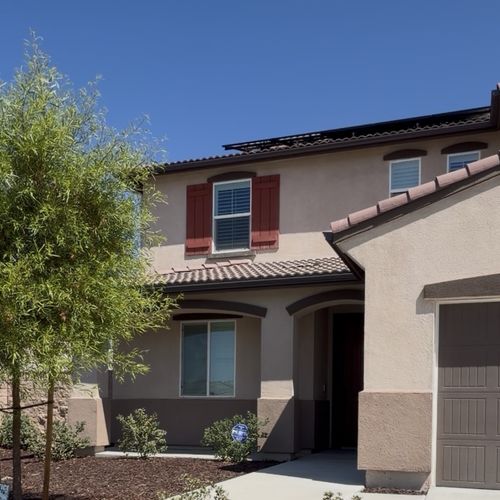
You'll find older established neighborhoods, condos and townhomes, traditional single family homes, homes close to Loma Linda University, newer planned developments and properties farther south toward the hills with a completely different residential feel.
This is why I wouldn't recommend choosing where to live based solely on a search for the "best neighborhood in Loma Linda."
The better question is:
Which part of Loma Linda works best for your lifestyle, commute and housing needs?
Living Near Loma Linda University
For someone attending the university or working at the medical center, proximity can be extremely valuable.
The neighborhoods surrounding the campus include a mixture of housing types, including condos, townhomes and single family residences.
That can appeal to people who don't necessarily need a large suburban property.
For example, a medical student may prioritize a short commute and lower maintenance housing.
A physician relocating with a family may prioritize additional space and be willing to live farther from the campus.
Those buyers can be searching in the same city but looking for completely different homes.
And because the university reports thousands of students and faculty, housing around the campus serves a population that isn't typical of many similarly sized Inland Empire communities.
South Loma Linda and the Hills
As you move south through Loma Linda, the environment starts changing.
You get closer to the hills and open space.
There are residential areas with newer homes, views and access to outdoor recreation that can feel quite different from the neighborhoods immediately surrounding the university.
This is where I think people sometimes underestimate Loma Linda.
If you've only driven to the hospital from the freeway, you haven't really seen the entire city.
Drive south.
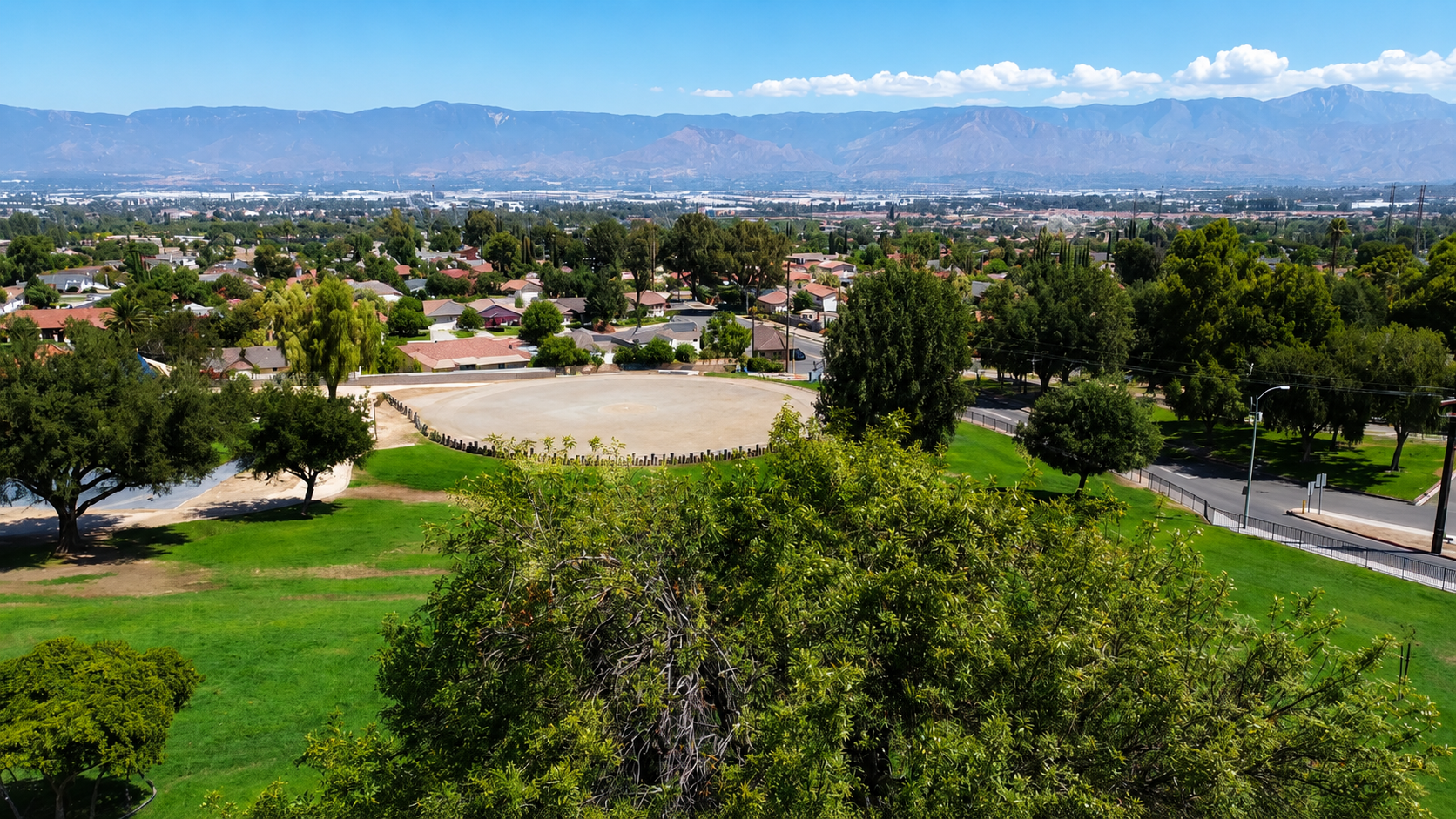
The urban medical environment begins giving way to neighborhoods, parks, trails and hills.
That's another version of Loma Linda entirely.
Citrus Trails and Newer Loma Linda
Newer residential development has also expanded the housing choices in Loma Linda.
The Citrus Trails area, for example, represents a more recent planned community side of the city.
Nearby Citrus Trails Community Park provides recreational space within this newer part of Loma Linda.
That gives buyers another choice.
Do you want to be very close to the established university and medical center neighborhoods?
Or would you rather have newer construction and a more modern planned community environment?
Again, small city.
Very different housing experiences.
Hulda Crooks Park and Outdoor Recreation
One of my favorite places to show people when explaining the lifestyle side of Loma Linda is Hulda Crooks Park.
It's located toward the southern edge of the city against the hills.
You have the park itself, recreational facilities and access toward the surrounding trail system.
The city says Loma Linda has approximately 20 miles of trails, 15 city parks and 1,700 acres of open and protected space overall.
That's a significant part of the Loma Linda lifestyle that gets overshadowed by the hospitals.
People walk.
Run.
Ride bikes.
Hike.
Spend time outside.
And when you're up toward the hills, you get a completely different perspective of the city and surrounding Inland Empire.
Is Loma Linda Walkable or Bikeable?
This depends heavily on where you live and where you're trying to go.
I wouldn't describe Loma Linda as a place where every resident can comfortably abandon their car.
It's still Southern California.
But the compact geography, university environment and trail network create opportunities for walking and cycling that aren't always present in more spread out Inland Empire communities.
The city promotes Loma Linda as bikeable and highlights its network of more than 20 miles of trails.
If being able to bike or walk to work is important to you, I'd evaluate individual properties based on the actual route to your destination rather than relying on a citywide score.
Shopping and Groceries in Loma Linda
Loma Linda has everyday shopping and grocery options, although it isn't a major regional retail destination like some neighboring cities.
You'll find familiar grocery options such as Stater Bros. Markets on Barton Road, along with health focused stores such as Clark's Nutrition and Natural Foods Market.
Near the university, Loma Linda Market has a particularly strong connection to the city's plant based and health focused culture.
For additional shopping, restaurants and entertainment, Redlands is immediately next door.
And that's something prospective residents should understand.
You don't necessarily experience Loma Linda in isolation.
Loma Linda and Redlands are separate cities, but everyday life can easily cross between the two.
Restaurants and the Plant Based Culture
Loma Linda's health culture also shows up in its food.
The city highlights the availability of vegetarian and vegan dining options as part of the community's Blue Zone identity.
That doesn't mean every restaurant is vegetarian.
You'll find a variety of cuisines throughout Loma Linda and neighboring Redlands.
And because Redlands is right next door, the practical dining radius is much larger than Loma Linda's city limits suggest.
Loma Linda vs Redlands
This is a comparison I think a lot of buyers should make.
Loma Linda and Redlands border one another, but they have very different identities.
Loma Linda revolves heavily around healthcare, education and the university.
Redlands is a larger city with a historic downtown, more extensive shopping and dining, older historic neighborhoods and a broader range of residential environments.
If your primary reason for moving to the area is Loma Linda University or the medical center, you don't necessarily have to live inside Loma Linda city limits.
Some people will prefer Loma Linda.
Others will find that Redlands better matches the type of home or lifestyle they want while still providing reasonable access to the medical campus.
That's why I would search both before deciding.
Loma Linda vs Yucaipa
Yucaipa gives you another completely different alternative.
Yucaipa can offer larger lots, foothill neighborhoods, planned communities and a more spread out suburban or semi rural environment depending on the area.
Loma Linda is considerably more centered around the medical and university community.
Someone prioritizing proximity to Loma Linda University may prefer Loma Linda.
Someone prioritizing a larger property or a different residential environment may decide the commute from Yucaipa is worth it.
Neither answer is universally better.
It depends on your priorities.
Commuting From Loma Linda
Loma Linda's location is one of its strongest practical advantages.
Interstate 10 provides the major east west connection through the area, while Interstate 215 is nearby for north south travel.
That gives residents access toward Redlands, San Bernardino, Colton, Grand Terrace, Highland, Riverside, Yucaipa and the broader Inland Empire.
But this is Southern California, so commute times can change dramatically depending on traffic and time of day.
If your commute matters, test it during the hours you'll actually be traveling.
A map at 10:30 on a Sunday morning doesn't tell you what your Tuesday commute will feel like.
The VA Is Another Major Part of Loma Linda
Loma Linda isn't only centered around the university medical system.
The Jerry L. Pettis Memorial Veterans' Hospital is another major part of the local employment and medical ecosystem.
The VA serves veterans throughout San Bernardino and Riverside counties.
Between the VA and Loma Linda University Health, healthcare isn't simply one industry in town.
It's woven into the city's identity.
What Types of Homes Can You Find in Loma Linda?
Depending on current inventory, buyers may encounter several different types of housing.
Condos and Townhomes
These can be attractive to students, medical residents, professionals and buyers who prefer lower maintenance living.
Older Single Family Homes
Established neighborhoods closer to the central parts of the city can provide a very different experience from newer construction.
Traditional Suburban Homes
There are conventional single family neighborhoods throughout Loma Linda.
Newer Construction
As development has expanded southward, newer housing has added another option for buyers.
Homes Closer to the Hills
These can provide a more scenic residential setting while still remaining within a compact city.
That's why citywide statistics only tell you so much.
The home matters.
The neighborhood matters.
And your relationship to the university and medical center may matter even more.
Buying a Home Near Loma Linda University
If you're specifically buying because you're attending or working at Loma Linda University, I would start with your expected timeline.
Are you here for two years?
Four years?
Residency plus fellowship?
Are you planning to stay afterward?
Those questions can influence whether buying makes sense at all and what kind of property you should consider.
Then I'd look at distance to campus, housing type, HOA costs, parking, property condition, expected maintenance, potential resale market and whether the property still makes sense if your plans change.
Don't buy simply because someone tells you, "Rent is throwing money away."
Buying and renting each have costs.
The right decision depends on your actual situation.
Is Loma Linda Expensive?
Compared with many Inland Empire communities, Loma Linda's medical and university influence can create its own housing dynamics.
But I wouldn't answer this question with a single median price.
If you're comparing Loma Linda with coastal Southern California, it may feel relatively affordable.
If you're comparing it with certain Inland Empire communities, your conclusion may be different.
More importantly, a condo near the university and a newer single family home toward the hills aren't really the same housing product.
Look at current inventory in the category you actually want.
What Should Medical Students Know Before Buying?
This deserves special attention because Loma Linda is unusual in how many buyers may be connected to the university.
If you're a student, or a parent helping a student purchase, I would think beyond the first semester.
How long will you realistically be here?
Will you need roommates?
Will the HOA allow what you're planning?
How much maintenance can you realistically handle during medical or dental school?
What happens when you graduate?
Would the property appeal to another buyer if you needed to sell?
Could your plans change?
Real estate can be a powerful long term asset.
But it shouldn't become another full time job while you're trying to survive medical school.
Things I Like About Living in Loma Linda
The first is location.
You're centrally positioned within this part of the Inland Empire.
The second is healthcare access.
It's difficult to ignore the scale of medical resources concentrated in such a small area.
The third is outdoor access.
The trails and hills on the southern side of the city are a side of Loma Linda many outsiders don't expect.
The fourth is the sense of identity.
Loma Linda isn't interchangeable with every other Southern California suburb.
The university, Adventist history, medical community and Blue Zone reputation give it a very specific character.
And finally, I like the variety.
You can live close to a world renowned medical campus and still be only minutes from quiet residential streets and hillside trails.
Things to Consider Before Moving to Loma Linda
There are tradeoffs too.
If you want a large downtown entertainment district, Loma Linda itself probably isn't what you're picturing.
You'll likely use neighboring Redlands for some dining, shopping and entertainment.
The medical campus also creates activity and traffic that buyers should consider when choosing how close they want to live.
And because the city is small, your housing choices can be more limited at any given moment than in a much larger surrounding city.
The Adventist influence is another thing worth understanding, not necessarily as a positive or negative, but simply because it's part of the culture.
And finally, don't assume every part of Loma Linda feels the same.
Drive the city before you choose the house.
Frequently Asked Questions About Living in Loma Linda, CA
Is Loma Linda a Good Place to Live?
That depends on what you're looking for.
Loma Linda can be particularly attractive to people who value proximity to major healthcare and educational institutions, access to parks and trails, a relatively compact community and a central Inland Empire location.
Buyers should compare individual neighborhoods and housing options rather than judging the entire city from the medical center area alone.
What Is Loma Linda Famous For?
Loma Linda is best known for Loma Linda University and Loma Linda University Health, its Seventh day Adventist heritage and its association with the original Blue Zones longevity research.
Is Loma Linda a Blue Zone?
Yes.
Loma Linda is the only U.S. location among the five original Blue Zone communities associated with longevity research.
The city's large Seventh day Adventist population has been a major focus of that research.
Do You Have to Be Seventh Day Adventist to Live in Loma Linda?
No.
Loma Linda is a regular incorporated California city open to residents regardless of religious affiliation.
However, the Seventh day Adventist Church and Loma Linda University have had a major historical and cultural influence on the community.
Where Should I Live if I Work at Loma Linda University Medical Center?
That depends on your budget, desired housing type and acceptable commute.
Some buyers prioritize neighborhoods immediately surrounding the university, while others consider southern Loma Linda, Redlands, Grand Terrace, Colton, Highland, Yucaipa or other nearby communities.
Are There Condos Near Loma Linda University?
Yes.
Loma Linda includes condos and townhomes as well as single family homes, and attached housing can be particularly relevant to students, residents and healthcare professionals seeking proximity to the university.
Availability and pricing change, so evaluate current listings rather than relying on an old online list.
Does Loma Linda Have Hiking Trails?
Yes.
The city says Loma Linda has approximately 20 miles of trails and 1,700 acres of open and protected space.
The hills around Hulda Crooks Park are particularly associated with local hiking, running and cycling.
Is Loma Linda Close to Redlands?
Yes.
Loma Linda and Redlands are neighboring cities, making Redlands an important part of the practical shopping, dining, employment and housing radius for many Loma Linda residents.
Is Loma Linda Only a Medical Community?
No.
Healthcare and education dominate Loma Linda's identity, but the city also includes established residential neighborhoods, newer housing, parks, trails, retail and a longstanding local community.
That's one of the biggest misconceptions I think people have about Loma Linda.
Should You Move to Loma Linda, California?
If you're considering moving to Loma Linda, don't make your decision based solely on the hospital.
Spend some time here.
Drive the neighborhoods around the university.
Then drive south toward the hills.
Visit Hulda Crooks Park.
Explore the newer residential areas.
Drive into Redlands so you understand how closely the two communities interact.
Test your commute.
Look at condos.
Look at older homes.
Look at newer homes.
And figure out which version of Loma Linda actually fits your life.
Because that's ultimately what makes this city interesting.
It's a medical community.
A university town.
A Blue Zone.
A community shaped by more than a century of Seventh day Adventist history.
A place where people come from around the world to study and practice medicine.
But underneath all of that, it's also a hometown.
People raise families here.
Students build their careers here.
Doctors come for training and stay.
People walk the trails.
Kids play in the parks.
And neighborhoods sit only minutes away from one of the most recognizable medical communities in Southern California.
If you're considering buying or selling a home in Loma Linda, I'd be happy to help you compare the neighborhoods, understand the local housing market and decide whether Loma Linda, or one of the surrounding communities, makes the most sense for you.
Nick Ondatje | REALTOR®
Mainstreet Realtors
CA DRE 01401990
909-437-0132
Check out this article next