
Mentone is one of those Inland Empire communities that can be easy to overlook on a map—and that is part of what makes it interesting.
Located directly east of Redlands, north of Yucaipa, and at the base of the San Bernardino Mountains, Mentone offers a mix of older homes, established neighborhoods, larger lots, foothill scenery and access to nearby outdoor recreation.
Unlike Redlands or Yucaipa, Mentone is not an incorporated city. It is a census-designated, unincorporated community governed by San Bernardino County. That distinction matters for prospective homebuyers because local services, planning, development and certain property considerations can work differently than they do inside neighboring cities.
For buyers considering this part of the Inland Empire, here is what to know about living in Mentone, California.
Where Is Mentone, California?
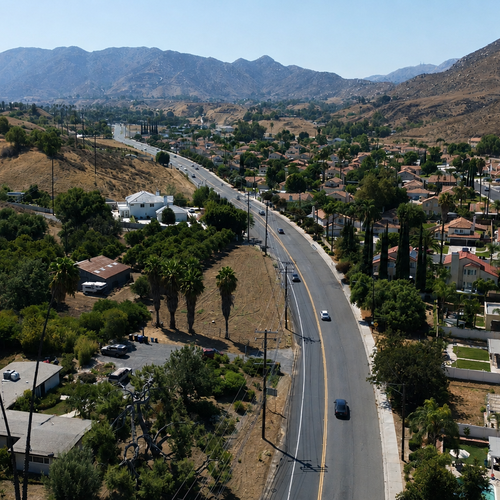
Mentone sits along the eastern edge of the San Bernardino Valley, immediately east of Redlands and below the foothills of the San Bernardino Mountains.
One of its primary roads is Mentone Boulevard, also designated State Route 38, which continues toward the mountains. San Bernardino County's own planning documents specifically identify Mentone Boulevard and the community's proximity to the San Bernardino Mountains as important parts of Mentone's identity.
That location puts Mentone near several communities buyers may already be considering:
- Redlands
- Yucaipa
- Highland
- Loma Linda
- San Bernardino
This is one reason Mentone deserves attention during a broader Inland Empire home search. A buyer who begins looking in Redlands or Yucaipa can discover that Mentone offers another housing environment only a short distance away.
What Is Mentone Like?
Mentone doesn't feel like a master-planned Southern California suburb.
Housing, lot sizes and streets can change noticeably as you move through the community. There are older ranch-style properties, more conventional subdivisions, manufactured housing and properties with larger parcels.
The community's historical agricultural roots also still influence its character.
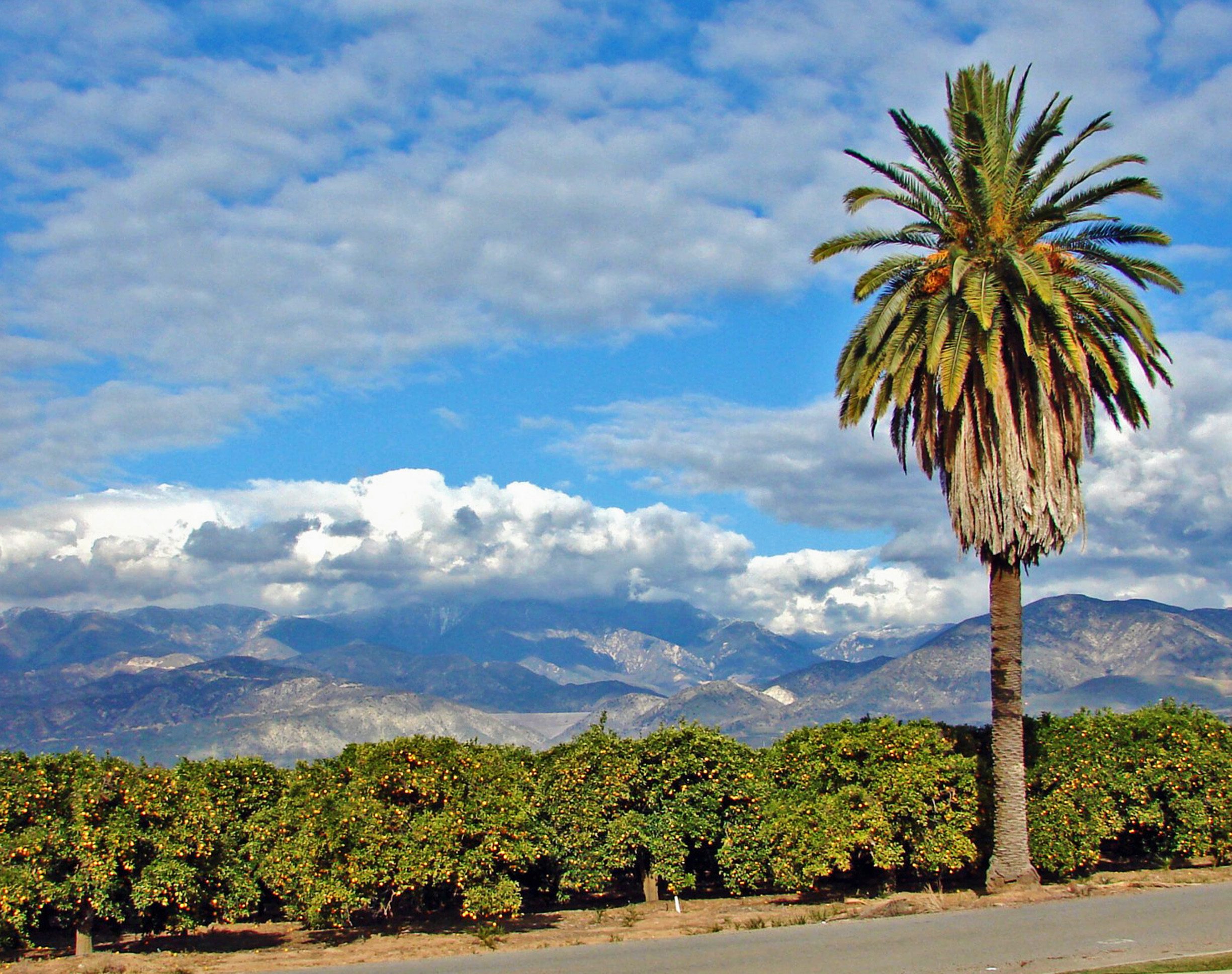
Mentone began developing in the late 1800s. The Mentone Corporation purchased approximately 3,000 acres in 1886, and early development was tied closely to citrus agriculture. The community was named after the Mediterranean resort area of Menton, reflecting promoters' ambitions for its climate and setting.
Today, San Bernardino County continues to identify preservation of agricultural land, open space, Mentone's historic character and connections to regional recreation as community priorities.
That history helps explain why parts of Mentone can feel different from newer suburban developments elsewhere in the Inland Empire.
Homes in Mentone, CA
One of Mentone's strengths for homebuyers is variety.
Depending on where you're looking, the housing stock can include older single-story homes, ranch-style properties, traditional suburban homes, manufactured homes and properties with more land than buyers might expect this close to Redlands.
That also means buyers shouldn't judge Mentone based on a single subdivision.
Two properties with the same Mentone mailing address can offer very different surroundings, lot configurations and overall lifestyles.
This is where local knowledge becomes particularly useful.
For buyers comparing Mentone real estate with Redlands, Yucaipa or Highland, Nick Ondatje's approach is to evaluate the individual property and its immediate surroundings rather than treating Mentone as one uniform housing market.
How Much Do Homes Cost in Mentone?
Home prices change constantly, and Mentone's relatively small market can make monthly statistics especially volatile.
As of July 2026, Zillow's Home Value Index placed the typical Mentone home value at approximately $519,845.
Another data source illustrates why buyers should be careful with a single number: Realtor.com's June 2026 market data reported a $499,500 median listing price and a $562,500 median sold price across Mentone.
Those aren't contradictions so much as different measurements.
Home value, asking price and actual sale price are different metrics.
More importantly, the individual property matters enormously in Mentone. Lot size, condition, renovations, location, views and property type can create substantial differences between homes.
For current Mentone pricing, recent comparable sales are more useful than relying on a citywide average.
Mentone vs. Redlands
This will probably be one of the most useful comparisons for prospective buyers.
Mentone sits immediately beside Redlands, but the two communities aren't interchangeable.
Redlands offers a larger downtown, historic architecture, restaurants, shopping, cultural amenities and established neighborhoods ranging from historic homes to newer developments.
Mentone is smaller and unincorporated, with a more varied housing environment and a stronger foothill/rural transition in some areas.
Someone searching specifically for the walkability and architecture around Downtown Redlands probably isn't going to view Mentone as a substitute.
But a buyer whose priorities include lot size, property characteristics, mountain access or getting more options within the same general geographic area should probably include Mentone in the search.
Mentone vs. Yucaipa
Mentone and Yucaipa also make an interesting comparison.
Yucaipa is an incorporated city with a much larger population, defined neighborhoods, Historic Uptown, newer housing developments and extensive residential areas extending toward the foothills.
Mentone is considerably smaller and more eclectic.
Both communities have agricultural histories. Yucaipa spent decades as an important fruit-growing area, while Mentone's early development was closely connected to citrus.
For buyers, the decision may come down less to which community is "better" and more to the specific house, lot and location.
Outdoor Recreation Near Mentone
This is one of Mentone's underrated advantages.
The community sits at the transition between the developed San Bernardino Valley and the mountain/foothill environment to the east.
San Bernardino County has specifically identified improving Mentone's connections to regional open space and recreational areas as a community goal.
From Mentone, residents can also reach recreation around Yucaipa, Crafton Hills and the San Bernardino Mountainswithout living in a mountain community full time.
For buyers who hike, bike, camp or simply prefer being closer to the foothills, Mentone's geography deserves consideration.
What Should Homebuyers Know About Mentone?
Mentone is a place where buyers should pay close attention to the individual property.
Because it is an older, unincorporated community with varied development patterns, buyers may encounter differences involving:
Lot size and boundaries. Larger or unusually shaped parcels deserve closer examination.
Septic and sewer. Utility conditions shouldn't be assumed based solely on nearby properties.
Insurance. Foothill proximity can make insurance research especially important for certain properties.
Roads and access. Street conditions and access can vary depending on location.
Zoning and land use. Buyers considering additions, ADUs, animals or other property uses should verify what is actually permitted.
Property condition. Mentone's mixture of housing ages makes inspections and property-specific due diligence important.
This is also why buyers searching Mentone with Nick Ondatje aren't simply looking at bedroom count and price. Understanding the property itself—and how it compares with alternatives in nearby Redlands, Yucaipa and Highland—is a major part of deciding whether a Mentone home makes sense.
Is Mentone a Good Place to Live?
For the right buyer, Mentone can offer an interesting combination:
Proximity to Redlands without actually living in Redlands.
Quick access toward the foothills and mountains.
A diverse selection of homes and property types.
A community with genuine Southern California citrus history.
Easy access to several established Inland Empire cities.
The tradeoff is that Mentone doesn't provide the same polished, clearly defined city experience as some neighboring communities.
For some buyers, that's a negative.
For others, that's precisely the appeal.
Frequently Asked Questions About Living in Mentone, CA
Is Mentone part of Redlands?
No. Mentone borders Redlands but is an unincorporated census-designated community in San Bernardino County.
What county is Mentone in?
Mentone is located in San Bernardino County, California.
What is the ZIP code for Mentone?
The primary Mentone ZIP code is 92359.
Is Mentone close to Yucaipa?
Yes. Mentone sits north/northwest of Yucaipa, making it practical for buyers to compare homes in both areas during the same search.
Is Mentone close to Redlands?
Yes. Mentone directly borders the eastern side of Redlands.
Are there larger lots in Mentone?
Yes, Mentone includes properties with larger parcels, although lot sizes vary considerably. Buyers looking specifically for land should evaluate listings individually rather than assuming all Mentone properties have large lots.
How much are homes in Mentone?
Market conditions change continuously. Zillow reported a typical Mentone home value of approximately $519,845 as of July 2026, while other sources use different methodologies and report different listing or sale-price figures.
Thinking About Moving to Mentone?
Mentone probably won't appeal to every Inland Empire buyer—and that's exactly why it's worth understanding.
It's a small community squeezed between some much better-known places, yet its location near Redlands, Yucaipa, Highland and the San Bernardino Mountains gives buyers an interesting alternative when searching the eastern San Bernardino Valley.
If you're considering buying or selling a home in Mentone, Redlands, Yucaipa, Highland or the surrounding Inland Empire, Nick Ondatje can help you compare the communities, understand current local inventory and evaluate which location makes the most sense for your goals.
Nick Ondatje | REALTOR®
Mainstreet Realtors
CA DRE 01401990
909-437-0132
Check out this article next