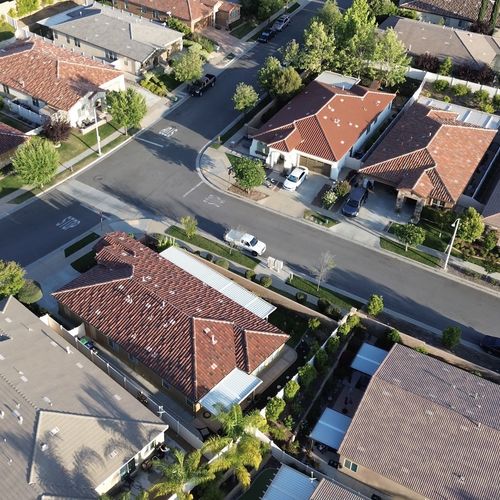

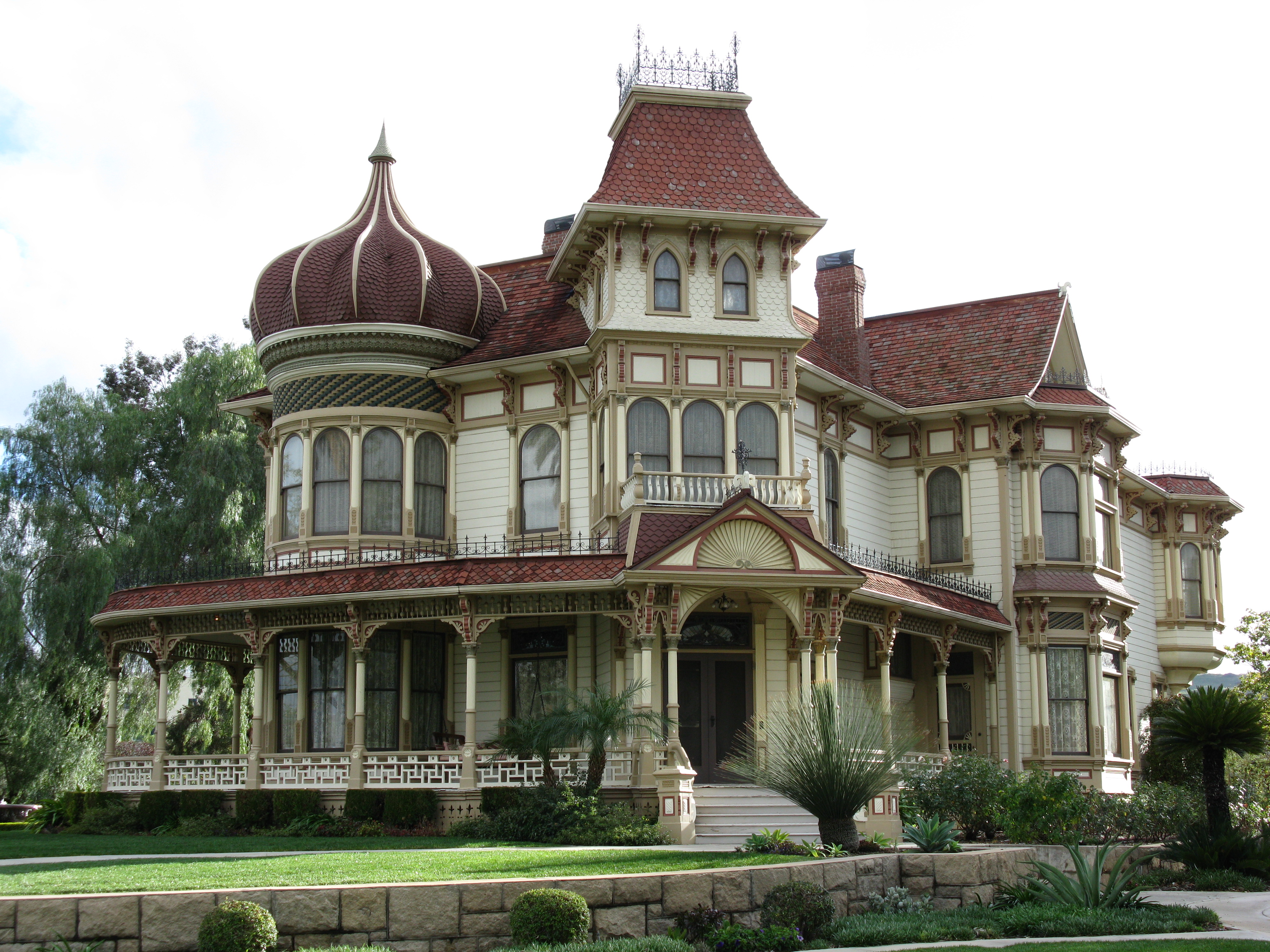
Redlands is one of the Inland Empire's best known cities for historic architecture. Drive through neighborhoods around Smiley Park, Downtown Redlands, West Highland Avenue, South Redlands and the older residential streets near Prospect Park, and you will find Victorian homes, Craftsman bungalows, Spanish Colonial Revival properties, American Foursquare homes and other houses that reflect the city's citrus era and early development.
That character is a major part of what makes Redlands different from many newer Inland Empire communities.
But buying a historic home is different from buying a newer house.
The charm can be incredible. The architecture can be difficult to replicate. Mature landscaping, established neighborhoods and original craftsmanship can give a property a feeling that simply cannot be recreated with new construction.
At the same time, older homes can come with maintenance requirements, renovation restrictions, aging systems and additional due diligence that buyers need to understand before making an offer.
For anyone considering a historic home in Redlands, the most important question is not simply whether the house is beautiful.
It is whether the property fits the way you want to live, renovate and maintain a home.
Why Redlands Has So Many Historic Homes
Redlands was founded in 1881 and incorporated in 1888. During the city's early growth, citrus became the foundation of the local economy, attracting residents and investment into the community. Redlands eventually became known as the "City of Beautiful Homes," and many of the houses built during that period remain today. (City of Redlands)
That history is still visible throughout the city.
Historic neighborhoods contain homes representing architectural styles including Queen Anne, Victorian, Craftsman, American Foursquare, Shingle, Spanish Colonial Revival, Mission Revival and other period styles. (City of Redlands)
Some of Redlands' most recognizable historic areas include:
Smiley Park
Early Redlands
Eureka Street
West Highland Avenue
East Fern Avenue
Garden Hill
La Verne Street
Normandie Court
The City of Redlands currently recognizes eight local historic districts. There are also National Register historic districts associated with the Santa Fe Depot and Smiley Park. (City of Redlands)
That distinction matters because not every old house is legally a historic property.
Is Every Old House in Redlands a Historic Home?
No.
This is one of the first things buyers should understand.
A house being 80, 100 or even 120 years old does not automatically mean it is officially designated as a historic resource.
The City of Redlands has specific criteria for historic designation. These can include architectural significance, association with an important person or event, distinctive craftsmanship, representation of a particular architectural style, or contribution to the historical or scenic character of the community. (American Legal Publishing)
The city also explains that a structure that is at least 50 years old and has aesthetic, architectural or historical value may be eligible for designation.
That means buyers should determine the actual status of a property rather than assuming based on its age or appearance. (City of Redlands)
This is especially important before planning a major renovation.
Historic District vs. Historic Property
These terms can sound interchangeable, but they are not.
A property can individually be designated as a historic resource.
A property can also be located inside a locally designated historic district.
And a property can be old and architecturally interesting without being individually designated.
The distinction can affect what you are allowed to change.
Redlands states that many alterations to locally designated historic properties and properties located within locally designated historic districts may require a Certificate of Appropriateness before work begins. (City of Redlands)
This is one of the biggest things a buyer should investigate before purchasing, rather than discovering it after closing.
What Can You Change?
This is where historic home ownership becomes different from owning a typical house.
Want to replace the windows?
Add a room?
Change exterior materials?
Build a new garage?
Alter the front porch?
Make significant exterior changes?
The answer may depend on the property's designation and location.
The City of Redlands uses a Certificate of Appropriateness process for certain alterations to designated historic resources and properties within historic districts. The review is intended to make sure changes remain compatible with the property's historic character. (City of Redlands)
The city identifies projects ranging from roofing and fences to major additions, exterior alterations, new construction and demolition as potentially subject to review depending on the property and project.
Even noncontributing properties located within a historic district can be subject to certain review requirements. (City of Redlands)
The takeaway for buyers is simple:
Do not assume you can renovate a historic home the same way you would renovate a newer house.
Before purchasing, talk with the City of Redlands Planning Division about the specific property and the improvements you are considering.
What About the Interior?
Historic preservation is generally much more focused on exterior character and historically significant features, but buyers should still investigate the entire house.
Older homes can have:
Aging electrical systems
Older plumbing
Outdated HVAC
Older roofing
Foundation concerns
Original windows
Older insulation
Drainage issues
Previous additions
Deferred maintenance
Outdated seismic components
The National Park Service's preservation standards emphasize maintaining historic materials and features when they remain intact and repairable, while also recognizing that mechanical, electrical and plumbing systems may need sensitive upgrades to keep historic buildings functional. (National Park Service)
That makes the inspection particularly important.
A beautiful 1910 Craftsman can be an incredible home.
It can also have a 1910 plumbing system hiding behind the walls.
Get a Thorough Home Inspection
This sounds obvious, but it becomes even more important with older properties.
A standard home inspection is only part of the process.
Depending on the property, buyers may want additional evaluation of:
Foundation:
Look for settlement, cracking, drainage problems and previous repairs.
Roof:
Determine the age, remaining life and whether historic materials or design requirements affect replacement.
Electrical:
Older wiring and electrical panels deserve particular attention.
Plumbing:
Determine what materials are present and whether portions of the system have been updated.
HVAC:
Older homes may have systems that have been added or modified over several decades.
Windows and doors:
Original windows can be beautiful, but buyers should understand their condition and the implications of replacement.
Drainage:
Historic homes with mature landscaping can have drainage patterns that deserve careful examination.
Additions:
Determine when additions were constructed, whether they were permitted and whether they are considered contributing or noncontributing elements.
The objective isn't to find a perfect house.
It is to understand what you are actually buying.
Historic Character Can Be the Biggest Advantage
There is a reason buyers continue seeking historic homes in Redlands.
You cannot simply build a 100 year old neighborhood.
You cannot instantly recreate mature trees.
You cannot easily replicate the craftsmanship found in some early Redlands homes.
And you cannot manufacture the same relationship between a historic house, its street, its neighboring homes and the surrounding landscape.
The City of Redlands highlights neighborhoods such as Smiley Park for their turn of the century homes, while the city's historic resources include everything from Victorian architecture to Craftsman and Spanish Colonial Revival properties. (City of Redlands)
For the right buyer, that character can be worth a lot.
But Maintenance Can Be Different
The downside is that historic character often requires ongoing maintenance.
Original wood siding needs care.
Older windows may require restoration.
Historic roofing materials can require specialized work.
Large mature trees may require professional maintenance.
And when something breaks, the cheapest modern replacement is not always the most appropriate solution.
This is why buyers should think about ownership costs, not just the purchase price.
A historic home that looks inexpensive compared with newer construction may require substantially more maintenance over the years.
That does not automatically make it a bad purchase.
It simply means the buyer needs to budget differently.
The Mills Act Can Matter
One potential benefit for eligible historic properties is the Mills Act.
The Mills Act is a California program that can provide property tax reductions to owners of designated historic properties in exchange for an agreement to actively participate in preservation and rehabilitation.
Redlands has its own Mills Act program.
The city's program requires a preservation work plan, and eligible work can include items such as foundations, seismic retrofits, roofs, exterior siding, windows, doors, porches and other historically significant elements. (City of Redlands)
However, buyers should not assume that purchasing an older house automatically qualifies them for a Mills Act contract.
Eligibility and the associated obligations need to be evaluated for the specific property.
For someone seriously considering a historic Redlands home, this is worth discussing with the City before making assumptions about potential tax savings.
What Buyers Should Ask Before Making an Offer
Before purchasing a historic or potentially historic property in Redlands, ask:
Is the property officially designated as a historic resource?
Is it located within a locally designated historic district?
Is it listed on the National Register?
Is it considered a contributing property within its district?
Are there existing preservation restrictions?
What exterior improvements require approval?
Have previous additions and renovations been properly permitted?
Are there existing Certificate of Appropriateness records?
Is the property eligible for the Mills Act?
What maintenance does the home currently need?
Are the electrical, plumbing and HVAC systems updated?
Are there foundation or drainage concerns?
What changes would the buyer want to make after purchasing?
That final question is particularly important.
A buyer who wants to preserve a historic home largely as it exists may have a very different experience from a buyer who wants to completely modernize it.
A Local Perspective on Buying a Historic Redlands Home
For buyers looking at Redlands, the neighborhood can be just as important as the house itself.
Two homes with similar square footage and bedroom counts can have very different ownership experiences depending on their location, lot, architectural significance and renovation requirements.
This is where local market knowledge becomes important.
Nick Ondatje works with buyers throughout Redlands and the Inland Empire, and evaluating an older property involves more than looking at comparable sales. It means understanding the neighborhood, the condition of the home, potential renovation plans and how buyers are responding to historic properties in that particular area.
For a historic home, the question is not simply, "What is this house worth?"
It is also:
What makes this house different from everything else on the market?
That distinction can matter when evaluating both price and long term value.
Historic Homes in North Redlands vs. South Redlands
Historic homes can be found throughout Redlands, but the experience can change significantly depending on the part of the city.
Older neighborhoods around Downtown and South Redlands can offer mature landscaping, established streets and some of the city's most recognizable historic architecture.
North Redlands also contains older housing stock and neighborhoods with their own architectural character, although the overall housing mix and lot patterns can differ.
For buyers comparing neighborhoods, it is worth looking beyond the house itself.
Consider:
Lot size
Street character
Proximity to Downtown
Historic designation
Architectural style
Renovation restrictions
Parking
Mature landscaping
Nearby homes
Future renovation plans
The "best" historic home is not necessarily the oldest one.
It is the one that fits the buyer.
Should You Buy a Historic Home in Redlands?
For the right buyer, absolutely.
A historic Redlands home can offer architectural character, mature neighborhoods, unique floor plans and a connection to the city's citrus era that newer construction simply cannot reproduce.
But buyers should enter the process with realistic expectations.
You may have more maintenance.
You may have fewer options for exterior modifications.
You may need additional planning before renovating.
And you may discover that preserving the home's character is part of what makes the property valuable in the first place.
The best historic home buyer is usually someone who appreciates the house for what makes it different rather than someone planning to immediately turn it into something completely different.
Frequently Asked Questions
How old does a house have to be to be considered historic in Redlands?
Age alone does not automatically make a house an official historic resource. The City of Redlands states that a structure 50 years or older with aesthetic, architectural or historical value may be eligible for historic designation. (City of Redlands)
Can I remodel a historic home in Redlands?
Potentially, yes. However, exterior alterations to designated historic properties and properties within local historic districts may require a Certificate of Appropriateness and must comply with applicable preservation standards. (City of Redlands)
Can I replace the windows on a historic Redlands home?
Possibly, but the requirements depend on the property's status and location. Buyers should consult the Redlands Planning Division before planning window replacement on a designated historic property or a property within a historic district.
Are historic homes more expensive to maintain?
They can be. Older construction may require specialized repairs, maintenance of original materials and updates to aging systems. A thorough inspection and realistic maintenance budget are important.
Can historic homes qualify for property tax benefits?
Some designated historic properties may qualify for a Mills Act contract. Redlands has a Mills Act program that provides potential property tax benefits in exchange for preservation commitments. (City of Redlands)
What are some historic neighborhoods in Redlands?
Redlands has eight locally designated historic districts, including Eureka Street, West Highland Avenue, Early Redlands, Normandie Court, East Fern Avenue, Garden Hill, La Verne Street and Smiley Park. (City of Redlands)
Final Thoughts
Buying a historic home in Redlands is not just buying an older house.
It is buying a piece of the city's history.
From Victorian homes and Craftsman bungalows to Spanish Colonial Revival architecture and citrus era estates, Redlands has a housing history that is unusually visible throughout the community.
But historic ownership comes with responsibility.
Before making an offer, understand the property's designation, investigate its condition, learn what renovations are possible and determine whether the home fits your long term plans.
For buyers who appreciate architecture, character and established neighborhoods, that extra due diligence can be worth it.
Because in Redlands, sometimes the most valuable part of a home is the part you cannot build again.
Written By
Nick Ondatje
REALTOR® | Mainstreet Realtors
California DRE 01401990
Yucaipa & Inland Empire Real Estate
About the Author
Nick Ondatje is a REALTOR® with Mainstreet Realtors serving buyers and sellers throughout Yucaipa, Redlands and the Inland Empire. His local real estate content focuses on helping people understand the neighborhoods, housing markets and communities they are considering before making a move.
Sources
City of Redlands, Historic Preservation and Historic District resources. (City of Redlands)
City of Redlands, History and Landmarks. (City of Redlands)
City of Redlands, Mills Act Program. (City of Redlands)
National Park Service, Secretary of the Interior's Standards for the Treatment of Historic Properties. (National Park Service)
Check out this article next