
If you are thinking about moving to Highland, California, there is one thing you should understand right away.
Highland is not one uniform housing market.
Drive through the city from west to east and the residential environment can change significantly.
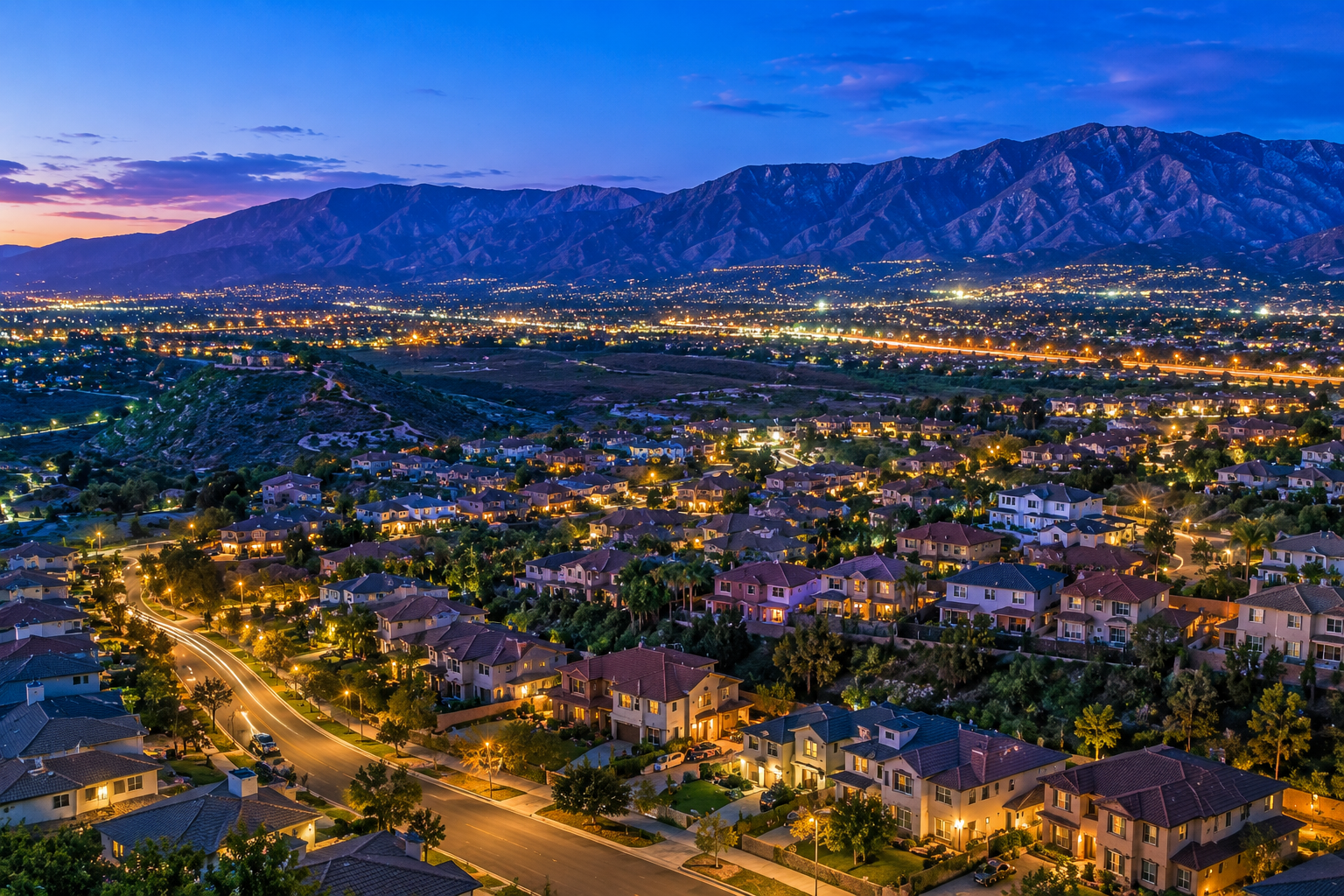
You will find older established neighborhoods, traditional suburban homes, newer development, planned communities, foothill properties, trails and areas where neighborhoods meet the open hills.
East Highland adds another dimension, particularly around East Highlands Ranch and the communities closer to the foothills.
That variety is one of the reasons Highland deserves more attention from home buyers looking throughout the eastern Inland Empire.
Highland also sits in a useful location. Redlands is immediately nearby. San Bernardino is to the west. Loma Linda and its medical community are within the surrounding area. State Route 210 provides regional freeway access, while the San Bernardino Mountains rise directly north of the city.
So if you are considering living in Highland, CA, here is what you should know about the homes, neighborhoods, lifestyle and practical considerations before making a move.
Where Is Highland, California?
Highland is located in San Bernardino County in Southern California's Inland Empire.
The city sits north of Redlands and east of San Bernardino, near the base of the San Bernardino Mountains.
State Route 210 is one of the major transportation routes serving the area.
That location makes Highland worth considering for buyers who work throughout the eastern Inland Empire.
You can live in Highland while working in Redlands.
You can commute toward Loma Linda.
You can access San Bernardino.
And you can travel west toward communities such as Rancho Cucamonga and Ontario through the broader freeway network.
For people who enjoy being close to the mountains, Highland also puts you right against the foothills.
What Is Highland, California Known For?
From a real estate perspective, Highland is probably best understood through the contrast between its established western neighborhoods and newer development farther east.
That difference is not something real estate agents invented.
It is part of how the city itself describes its development history.
Highland began as an agricultural community with citrus groves playing an important role in the local economy.
As those groves gave way to housing, suburban development initially expanded through western Highland.
Residential growth later moved east, with East Highlands Ranch becoming a major part of the city's housing development.
The result is a city where different sections can offer noticeably different housing experiences.
For a buyer, that means you should not decide whether you like Highland after seeing only one neighborhood.
You need to explore the city.
Highland and East Highland
People searching for homes here frequently encounter both Highland and East Highland.
East Highland generally refers to the eastern side of the city and is strongly associated with newer residential development, planned communities and the foothill environment.
This is where buyers often encounter communities such as East Highlands Ranch.
Western portions of Highland tend to contain more established housing and neighborhoods developed during earlier periods of the city's growth.
Neither side is automatically better.
They simply appeal to different buyers.
Someone may prioritize a planned community with amenities and newer housing.
Another buyer may prefer an established neighborhood without the same type of homeowners association structure.
Another may simply be trying to maximize the amount of house they can purchase within a particular budget.
This is why understanding Highland at the neighborhood level eventually becomes important.
But before getting that specific, it helps to understand the city as a whole.
What Is East Highlands Ranch?
East Highlands Ranch is one of the most recognizable residential communities in Highland.
Development of the community played a major role in the city's eastward residential expansion beginning in the 1980s.
The area is a planned residential community and includes homeowners association amenities and open space.
Depending on the specific property and association, buyers may encounter access to community recreational facilities, pools, parks, walking areas and other shared amenities.
The surrounding area also has a trail network that connects portions of East Highland with natural open space and the foothills.
For some buyers, this is exactly what they want.
They like having neighborhood amenities and a more planned residential environment.
Other buyers would rather avoid association dues or restrictions.
That is why you should never compare two Highland homes based only on purchase price.
If one property belongs to a homeowners association, you need to understand the monthly dues, amenities, rules and what those dues actually provide.
What Types of Homes Can You Find in Highland?
Highland offers more housing variety than many buyers initially expect.
Depending on current inventory, you may find several types of properties.
Established Single Family Homes
Western Highland contains many neighborhoods developed during earlier periods of the city's residential growth.
These properties can vary substantially in age, size, condition and lot configuration.
Planned Community Homes
East Highland includes planned residential development with homes built during more recent decades.
These communities may include homeowners associations and shared recreational amenities.
Newer Homes
Residential development has continued in eastern portions of Highland, so buyers looking for newer construction may find opportunities depending on current inventory and active projects.
Foothill Homes
As you move closer to the hills, some properties provide a different environment with elevated terrain, views and closer access to open space.
Condos and Attached Housing
Highland is not exclusively detached single family housing.
Attached housing and multifamily options exist as well, giving buyers alternatives depending on budget and maintenance preferences.
The important point is that the phrase Highland real estate covers several very different types of homes.
What Is It Like Living in East Highland?
East Highland tends to be one of the first areas buyers ask about once they begin researching Highland.
Part of the appeal is visual.
You are closer to the foothills.
Some neighborhoods have mountain or valley views.
There are planned communities and newer residential areas.
There is also access to trails and open space.
The city's trail system includes portions that pass through former agricultural areas and preserved natural land.
Some of that history is still visible through remnants of Highland's citrus infrastructure.
That creates an interesting combination.
You have suburban neighborhoods, but you are also very close to terrain that reminds you where the developed Inland Empire ends and the foothills begin.
Trails and Outdoor Recreation in Highland
This is one of Highland's more underrated features.
The city has developed a network of multipurpose trails, particularly around eastern Highland and the foothill areas.
Some trails follow routes that were historically associated with citrus agriculture and irrigation.
The city has also preserved natural open space in portions of East Highland.
Depending on the trail, residents may walk, hike, cycle or use portions of the network for equestrian recreation.
And because the terrain rises as you approach the foothills, certain locations provide broad views across the San Bernardino Valley.
If outdoor access matters to you, I would specifically explore the eastern side of Highland rather than judging the city only from the commercial corridors.
Highland's Citrus History
Like several communities in this part of the Inland Empire, Highland has deep agricultural roots.
Orange groves were once an important part of the local landscape.
As suburban development expanded, many of those groves disappeared.
But traces of that history remain.
The city's trail materials identify preserved orange groves, historic irrigation infrastructure, weir boxes and flumes that once helped deliver water to agricultural land.
That history matters because it helps explain why Highland developed the way it did.
What is now a residential neighborhood may once have been agricultural land.
And as housing expanded eastward, the city gradually transitioned from citrus production toward the suburban community buyers see today.
Highland vs Redlands
This is one of the most useful comparisons for buyers.
Highland and Redlands are neighboring communities, but they have different identities.
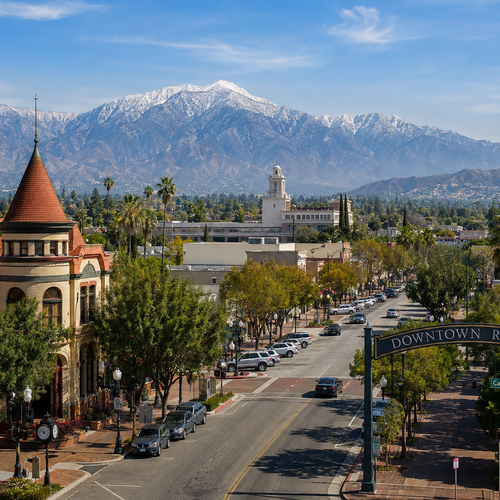
Redlands has a traditional downtown, historic districts, the University of Redlands, older architecture and a strong citrus heritage that remains visible throughout the city.
Highland generally feels more residential and suburban.
East Highland, in particular, offers planned communities and foothill neighborhoods that can feel quite different from central Redlands.
Someone who wants historic architecture and a walkable downtown environment may gravitate toward Redlands.
Someone who prioritizes a planned residential community, foothill setting or different housing options may prefer Highland.
The best way to understand the difference is to tour both cities on the same day.
Highland vs Yucaipa
Highland and Yucaipa also make an interesting comparison.
Both sit near the foothills of the San Bernardino Mountains.
Both have areas where suburban neighborhoods transition toward more open terrain.
And both have agricultural history.
But the housing environments can be quite different.
Yucaipa has areas with larger lots, horse properties, RV parking, established neighborhoods and communities such as Chapman Heights.
Highland has East Highlands Ranch, established western neighborhoods and its own foothill residential areas.
Highland may also make more sense for someone who wants to remain closer to San Bernardino, Redlands or certain employment centers farther west.
Yucaipa may appeal more to someone who wants to continue farther east toward a more spread out foothill environment.
Again, neither is universally better.
Your commute and preferred property type can make the decision for you.
Highland vs Loma Linda
If you work at Loma Linda University Health, Highland should be part of the broader housing search.
Loma Linda gives you the obvious advantage of living close to the university and medical center.
But not everyone working in Loma Linda wants to live directly in Loma Linda.
Some buyers expand their search into Redlands, Highland, Yucaipa, Grand Terrace and surrounding communities.
Highland can provide access to different housing styles and residential environments while keeping you within the eastern Inland Empire.
If your commute to Loma Linda matters, test the drive from the specific Highland neighborhood you are considering.
The difference between two parts of Highland can matter more than a citywide estimate suggests.
Shopping and Everyday Amenities
Highland has the everyday commercial services you would expect from an established Inland Empire city.
Shopping centers and businesses are concentrated along major corridors, particularly around Base Line Street and areas closer to the freeway.
Residents also have relatively easy access to additional shopping and dining in neighboring Redlands and San Bernardino.
This is worth understanding if you are relocating from another part of Southern California.
Highland itself is primarily a residential community.
If having a large historic downtown district is important to you, neighboring Redlands offers more of that environment.
If you care more about having everyday shopping nearby while living in a suburban neighborhood, Highland may fit you well.
Commuting From Highland
State Route 210 is the major freeway connection serving Highland.
From there, residents can travel west through San Bernardino and toward communities farther into the Inland Empire.
Redlands is immediately south.
Loma Linda is nearby.
San Bernardino is directly west.
Highland is also relatively close to San Bernardino International Airport.
For people commuting locally within the eastern Inland Empire, the city's location can be convenient.
But if you are commuting much farther west every day, traffic becomes a major consideration.
A drive that looks manageable on a map can feel completely different during weekday traffic.
Before buying, test your commute during the actual hours you expect to travel.
Public Transportation Around Highland
Highland itself does not have a Metrolink rail station.
However, nearby San Bernardino serves as an important regional transit hub.
The San Bernardino Transit Center connects Metrolink, Arrow and regional bus services.
Arrow provides passenger rail service between San Bernardino and Redlands, while the broader Metrolink network connects San Bernardino County with Los Angeles, Orange County and other parts of Southern California.
For most Highland homeowners, a car will still be the primary means of transportation.
But regional transit options are available nearby for people who can incorporate them into their commute.
What Is the Weather Like in Highland?
Highland has an Inland Empire climate.
Summers are hot and dry.
Winters are generally mild compared with much of the country.
Because the city sits close to the foothills, you also get prominent views of the San Bernardino Mountains.
During colder periods, snow on the mountains can create a dramatic backdrop even while temperatures in Highland remain much warmer.
If you are moving inland from coastal Southern California, summer heat is something to take seriously.
When looking at homes, consider the age and efficiency of the air conditioning system, insulation, windows, shade and solar exposure.
Those details can have a noticeable effect on comfort and utility costs.
Homeowners Insurance and Foothill Properties
Insurance deserves attention when purchasing in Highland, particularly as you move closer to foothill and wildland areas.
The city's own planning materials identify portions of Highland where residential development meets wildland areas.
That does not mean every Highland property has the same fire exposure or insurance situation.
It means buyers should evaluate the specific property.
Before removing insurance related contingencies or getting too far into a transaction, obtain quotes for the actual address you are considering.
Do not assume that because someone nearby has affordable coverage, your property will receive the same quote.
Insurance underwriting can vary by location, property characteristics, carrier and current market conditions.
Fire Considerations in the Foothills
Living close to the foothills comes with benefits.
You may get views.
You may have better access to trails.
You may feel closer to open space.
But the transition between developed neighborhoods and wildland also creates additional considerations.
Buyers should understand applicable hazard disclosures, vegetation management requirements, access, insurance availability and the characteristics of the individual property.
The goal is not to scare buyers away from foothill communities.
It is to make sure the scenery is not the only thing you evaluate.
A mountain view is great.
Understanding the property is better.
Earthquake Considerations
Southern California buyers should also understand that earthquake risk is part of living throughout the region.
Highland is particularly interesting because portions of the city's trail system run along the San Andreas Fault.
That is a geographic reality of this part of Southern California.
For a home buyer, the important question is not whether Southern California has earthquakes.
It does.
The practical questions involve the specific property, its age, construction, foundation, disclosures and any applicable hazard information.
If earthquake insurance is something you are considering, investigate coverage and pricing as part of your broader insurance planning.
Are There HOAs in Highland?
Yes, some Highland properties are located within homeowners associations.
East Highlands Ranch is the most obvious example.
But you should evaluate each property individually.
An HOA can provide amenities and maintain common areas.
It can also come with monthly dues and rules governing certain aspects of the property.
Before purchasing an HOA property, review the association documents carefully.
Understand the dues.
Understand what they cover.
Look at the association's financial information.
Review the rules.
And determine whether you will actually use the amenities you are paying for.
The presence of an HOA is not automatically good or bad.
It is simply part of the property's overall cost and lifestyle.
Is Highland Expensive?
That depends entirely on what you are comparing it with.
Highland sits within a broader housing market that includes Redlands, Loma Linda, Yucaipa, San Bernardino and other Inland Empire communities.
A buyer comparing Highland with coastal Southern California may view the pricing one way.
A buyer comparing Highland with San Bernardino may see it differently.
And even within Highland, pricing can vary based on location, home size, age, condition, lot, views, community amenities and other factors.
That is why I would not make a buying decision based on one citywide median price.
Look at what is actually available in your budget.
Then compare those homes with what the same budget buys in Redlands, Yucaipa, Loma Linda and nearby communities.
That is a much more useful comparison.
What Should Buyers Know About Property Taxes?
As with other California cities, property taxes in Highland begin with the framework established by Proposition 13.
But the final tax bill can include additional assessments and voter approved debt.
Certain newer developments may also have additional property related assessments.
That means you should never assume every home at the same purchase price has the same tax bill.
Before purchasing, review the specific tax information for the property you are considering.
If you are comparing a newer planned community with an older established neighborhood, this becomes particularly important.
Your mortgage payment is only one part of the monthly housing cost.
Established Homes vs Newer Homes in Highland
This is one of the most useful decisions buyers can make early in their search.
Do you want an established home?
Or do you want something newer?
An established property may offer mature landscaping, a larger lot or a location closer to existing commercial areas.
A newer property may offer a more contemporary floor plan, newer building systems and different community amenities.
Neither option automatically means less maintenance.
A newer home can still have issues.
An older home can be exceptionally well maintained.
The inspection and property history matter more than assumptions based solely on age.
Is Highland a Good Option for Loma Linda Medical Professionals?
It can be.
If you are relocating to work at Loma Linda University Medical Center, Children's Hospital or another healthcare facility in the area, Highland is one of several cities worth comparing.
Your search does not need to stop at Loma Linda city limits.
Highland, Redlands, Grand Terrace, Yucaipa and other nearby communities can offer different housing options while keeping you within the broader area.
The key is balancing your preferred home with the commute you are willing to make.
If you work unusual hospital shifts, test that commute at the times you will actually be driving.
Your experience may be very different from someone traveling during traditional office hours.
Things I Like About Highland
One of Highland's biggest strengths is variety.
You can look at an established neighborhood and then drive east into a planned community with a completely different environment.
You have proximity to Redlands without necessarily living in Redlands.
You have access toward San Bernardino and Loma Linda.
You have the foothills immediately north of the city.
You have trails and natural open space.
And buyers have options ranging from older housing to newer residential development.
I also think East Highland is an area that people outside the immediate Inland Empire often know very little about.
Someone searching Southern California real estate online may recognize Redlands or Loma Linda before they recognize East Highland.
Once they actually drive through the area, they sometimes realize it belongs in the conversation.
Things to Consider Before Moving to Highland
Highland is not going to be the right choice for everyone.
If you want to walk out your front door and into a historic downtown filled with restaurants and shops, Redlands may fit that lifestyle better.
If you want larger semi rural properties, horse property or more extensive RV options, certain parts of Yucaipa may deserve more attention.
If you want to live immediately next to Loma Linda University, Loma Linda is the obvious place to begin.
And if you are considering a foothill property in Highland, insurance and fire related considerations should be investigated early.
The point is not to find the city that wins every category.
That city does not exist.
The goal is to determine which tradeoffs make sense for your life.
Frequently Asked Questions About Living in Highland, CA
Is Highland, California a Good Place to Live?
Highland can be a good fit for buyers looking for suburban housing, access to the eastern Inland Empire, foothill scenery and a variety of established and planned residential communities.
Whether Highland is right for you depends on your budget, commute, preferred housing style and whether you want features such as homeowners association amenities or proximity to open space.
Where Is Highland, California?
Highland is located in San Bernardino County in Southern California's Inland Empire.
It sits north of Redlands, east of San Bernardino and near the base of the San Bernardino Mountains.
What Is East Highland?
East Highland generally refers to the eastern portion of Highland, where buyers will find newer residential development, planned communities and neighborhoods closer to the foothills.
East Highlands Ranch is one of the best known communities in this part of the city.
What Is East Highlands Ranch?
East Highlands Ranch is a planned residential community in Highland.
Development of the community helped drive residential growth on the eastern side of the city beginning in the 1980s.
Depending on the property and association, residents may have access to community amenities, recreational facilities and common areas.
Does Highland Have Newer Homes?
Yes.
While western Highland contains many established neighborhoods, residential development expanded east over time.
Buyers may find newer homes and planned communities in eastern Highland depending on current inventory.
Is Highland Close to Redlands?
Yes.
Highland and Redlands are neighboring communities.
That makes it realistic for residents to use Redlands for additional dining, shopping, entertainment and employment while living in Highland.
Is Highland Close to Loma Linda?
Yes.
Highland is within the broader Loma Linda and Redlands area and can be considered by people working at Loma Linda University Health or other nearby medical facilities.
The actual commute depends on the neighborhood, destination and time of day.
Does Highland Have Hiking and Walking Trails?
Yes.
Highland has a multipurpose trail network, particularly around East Highland and the foothills.
Portions of the trail system also preserve elements of the area's agricultural and citrus history.
Does Highland Have HOAs?
Some Highland neighborhoods have homeowners associations, particularly within planned communities such as East Highlands Ranch.
Other neighborhoods do not.
Always verify the HOA status, dues, amenities and rules for the specific property you are considering.
Does Highland Have a Metrolink Station?
Highland does not have its own Metrolink station.
Regional rail connections are available nearby through San Bernardino and Redlands.
Should You Move to Highland, California?
If you are seriously considering Highland, do not just drive through on the freeway.
Explore the city from west to east.
Drive through the established neighborhoods.
Then head toward East Highland.
Explore the planned communities.
Get closer to the foothills.
Look at the trails and open space.
Then drive into Redlands.
Drive toward Loma Linda.
If you are also considering Yucaipa, spend time there too.
You may discover that Highland gives you the balance you were looking for.
You can have a suburban neighborhood while staying close to Redlands.
You can live near the foothills while maintaining access to major Inland Empire employment centers.
You can choose between established housing and newer residential environments.
And if East Highland appeals to you, you have access to a side of the city that feels very different from what you may have expected when you first started your search.
The key is understanding that Highland is not one neighborhood.
The city developed over generations.
Its housing reflects that history.
And your experience living here will depend heavily on which part of Highland you choose.
If you are considering buying or selling a home in Highland, I would be happy to help you compare Highland, East Highland and the surrounding communities so you can understand what your budget buys and which area makes the most sense for your move.
Nick Ondatje | REALTOR®
Mainstreet Realtors
CA DRE 01401990
909-437-0132
Check out this article next